Feati Launches Seminars To Improve Faculty Professional Skills
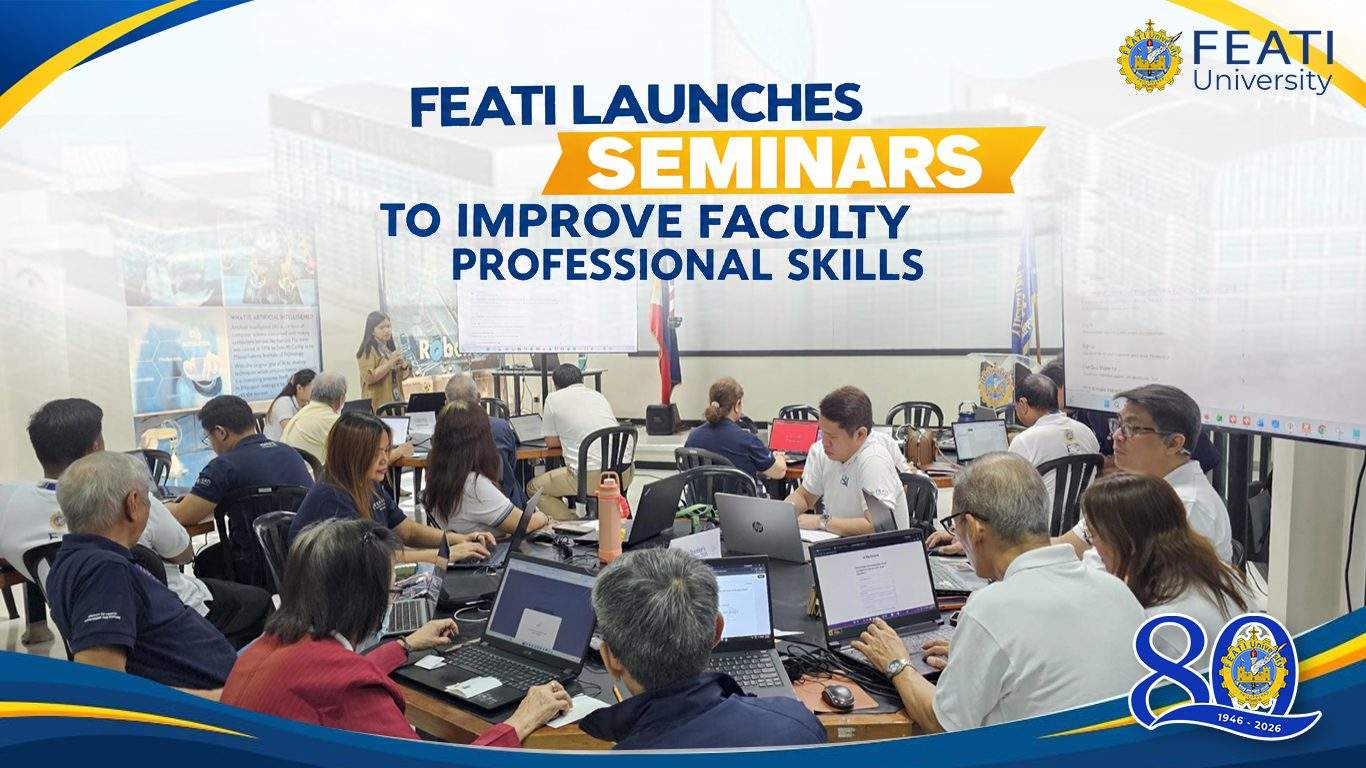
In August 2026, FEATI University launched a seminar series with the objective of improving the delivery of academic programs to higher levels of quality, competency and capability.
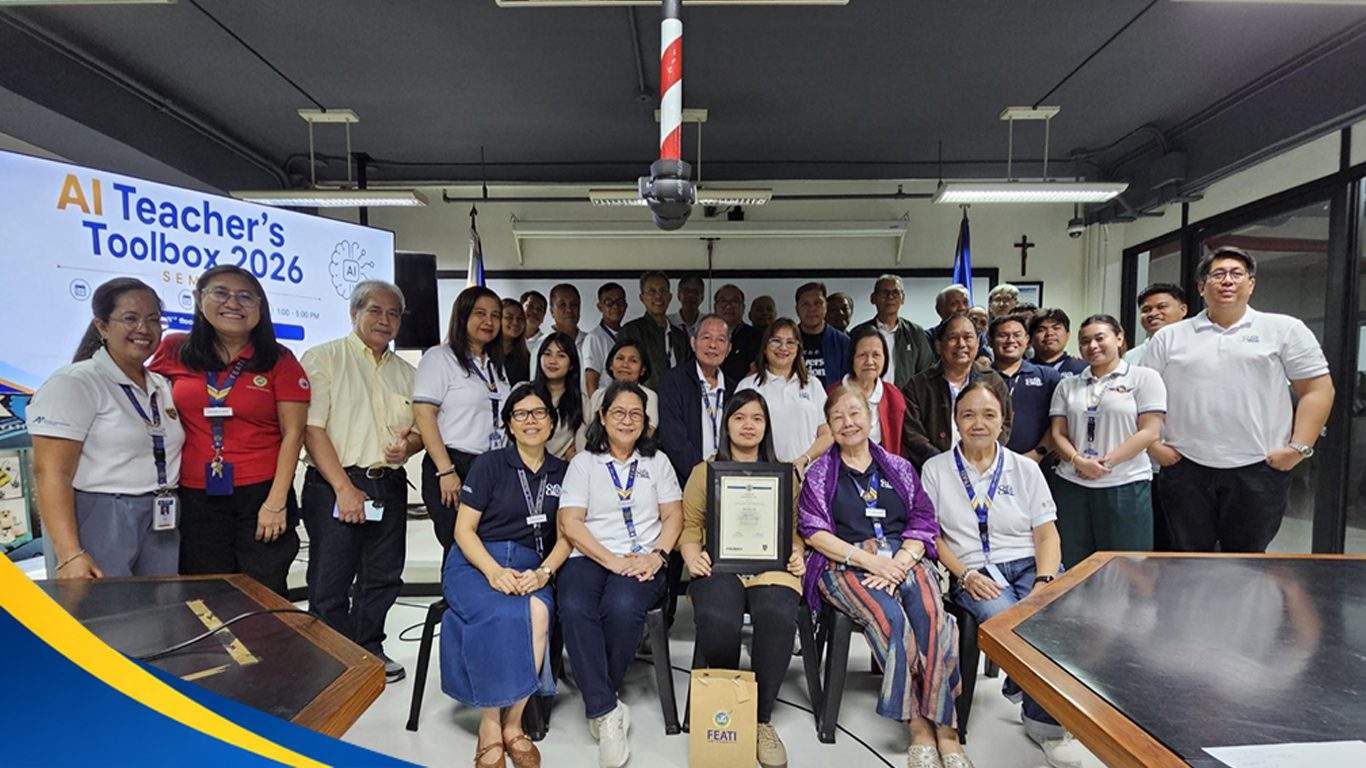
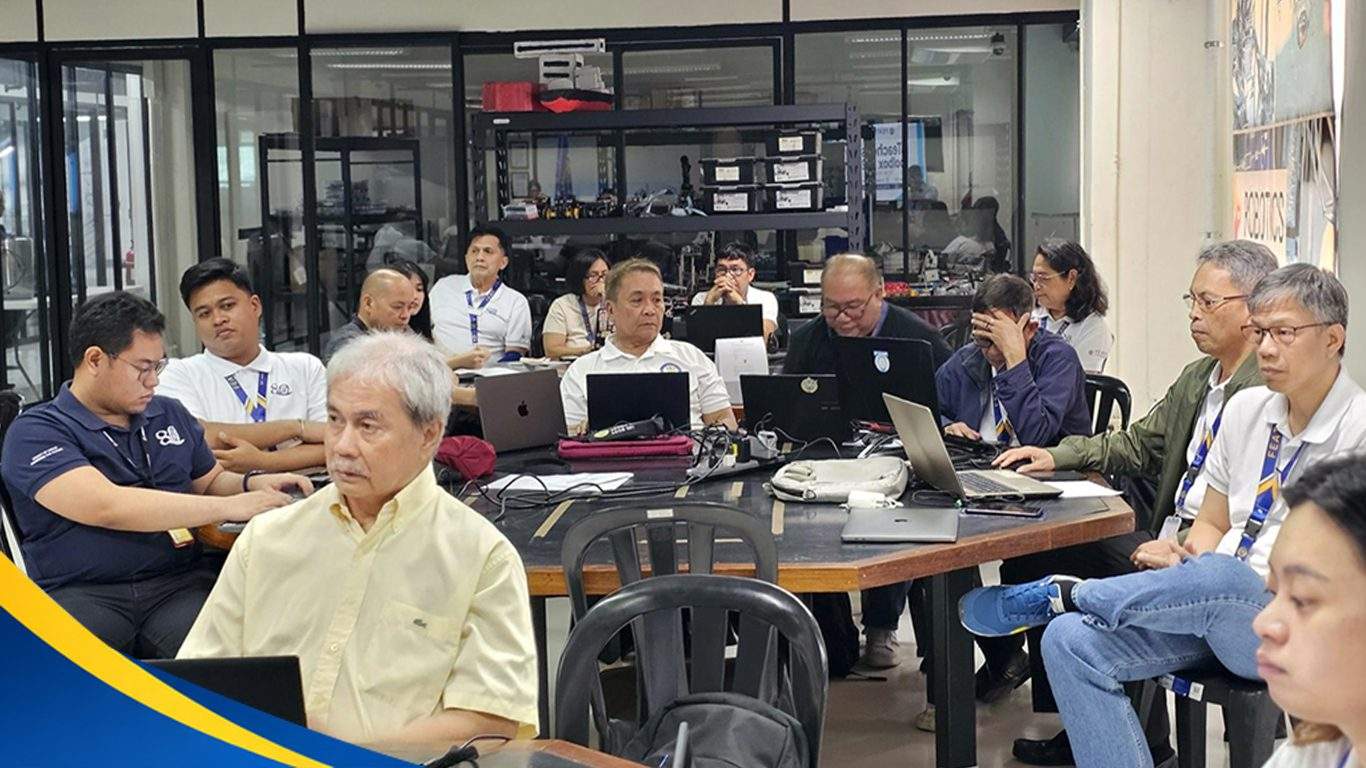
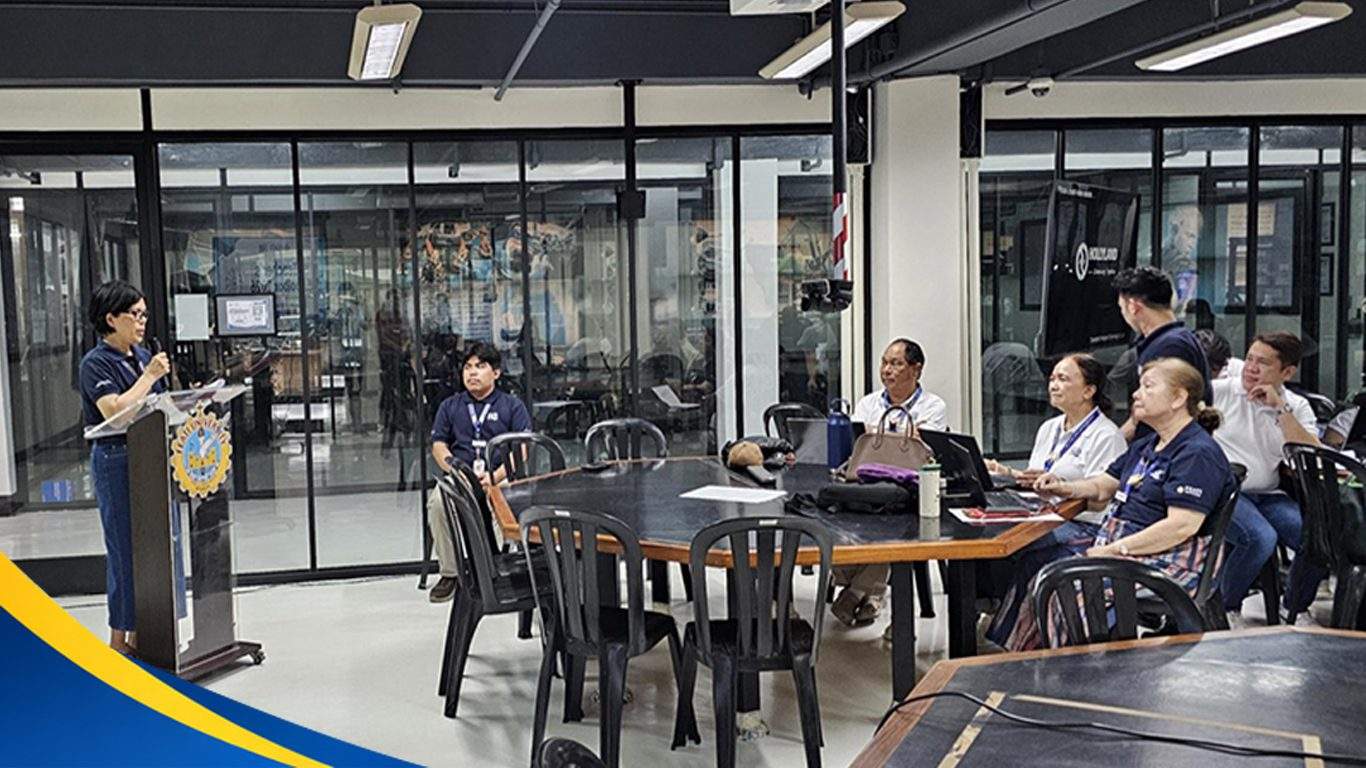
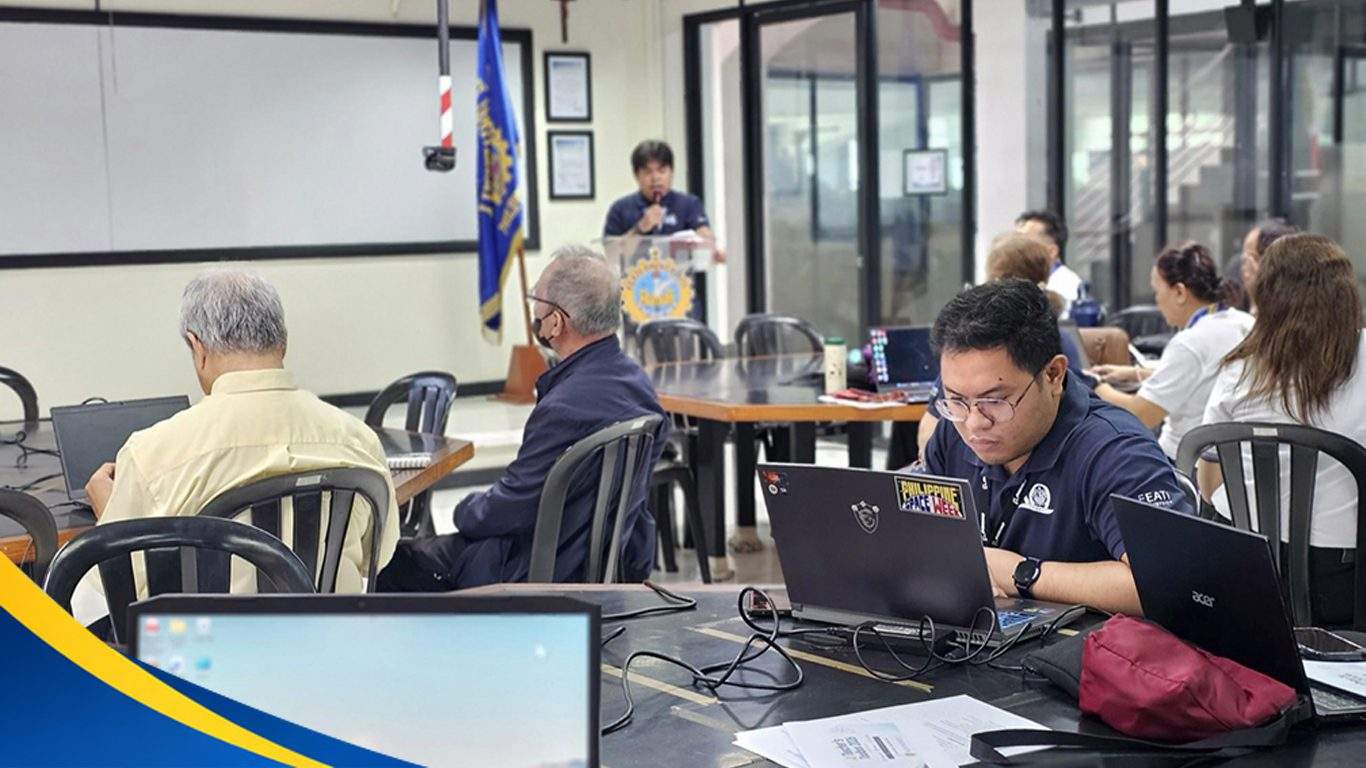
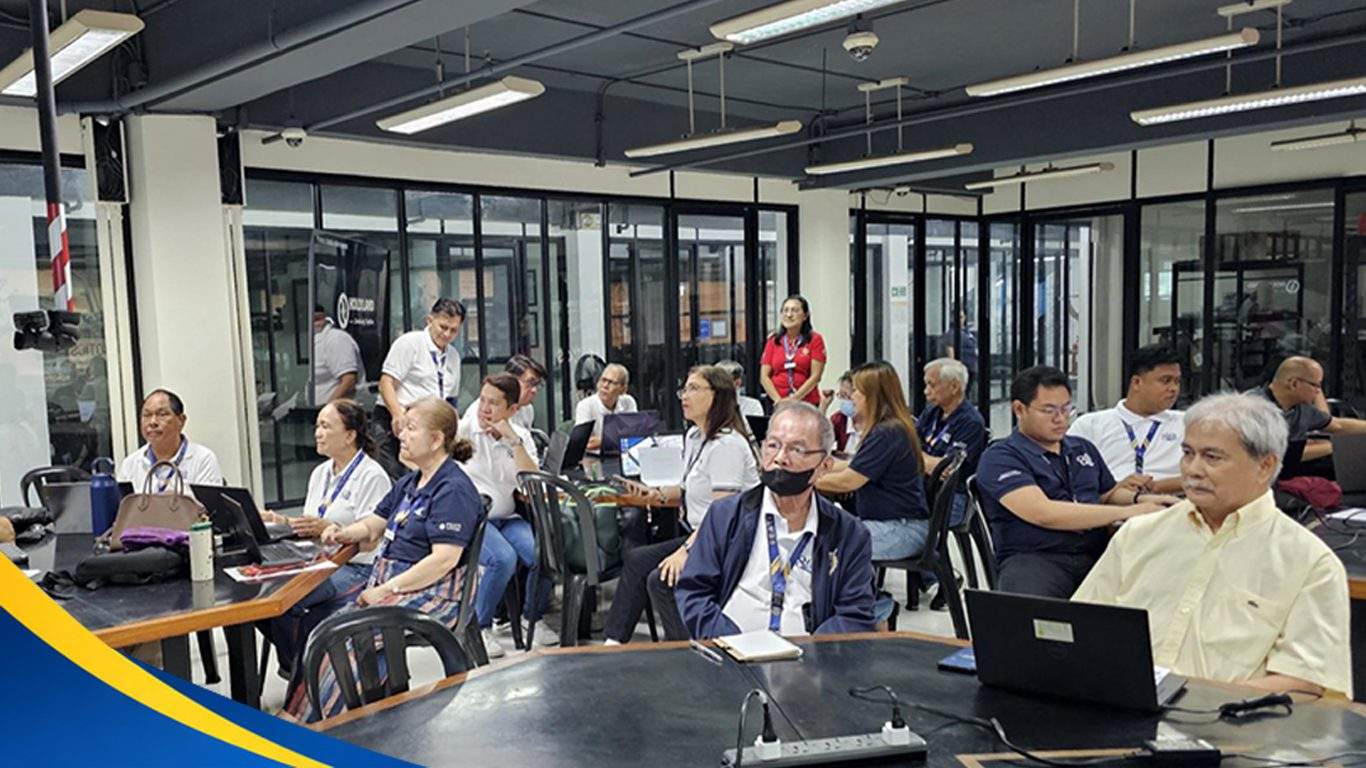
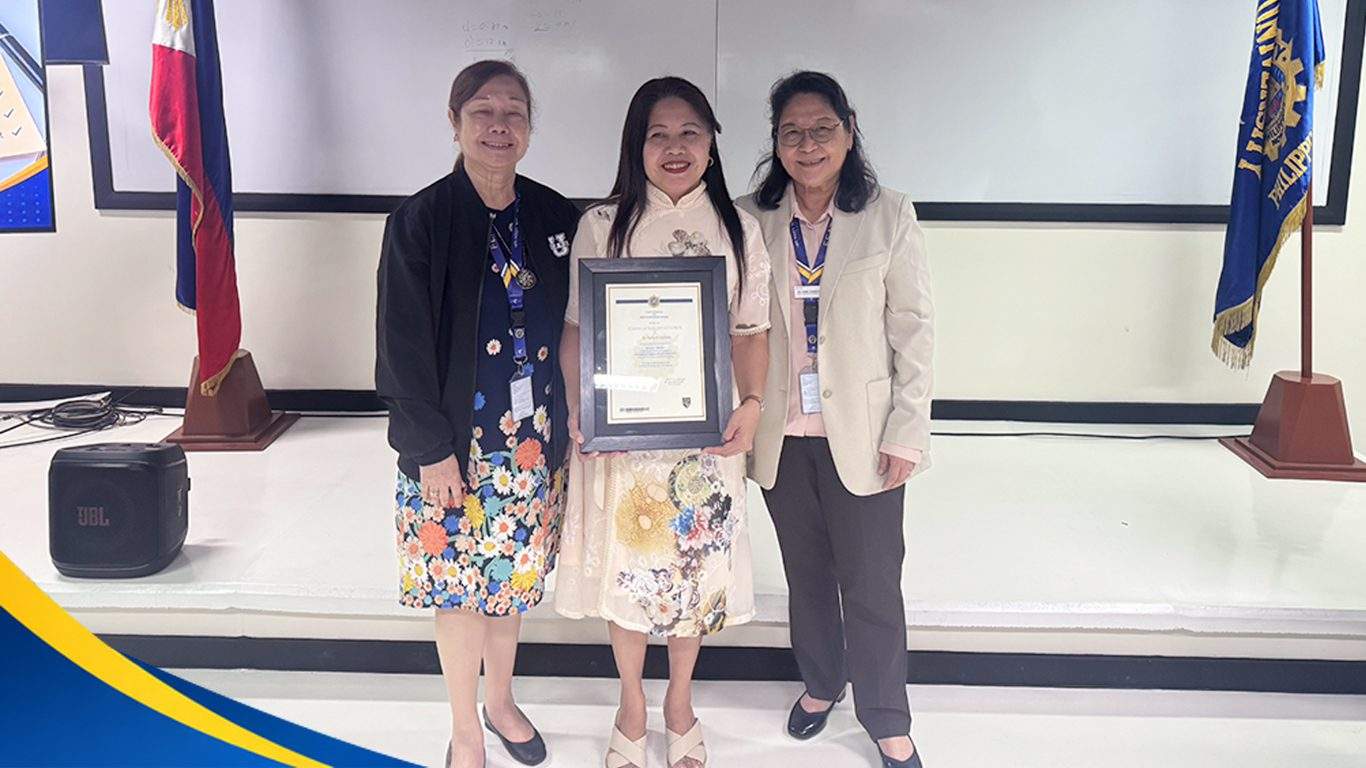
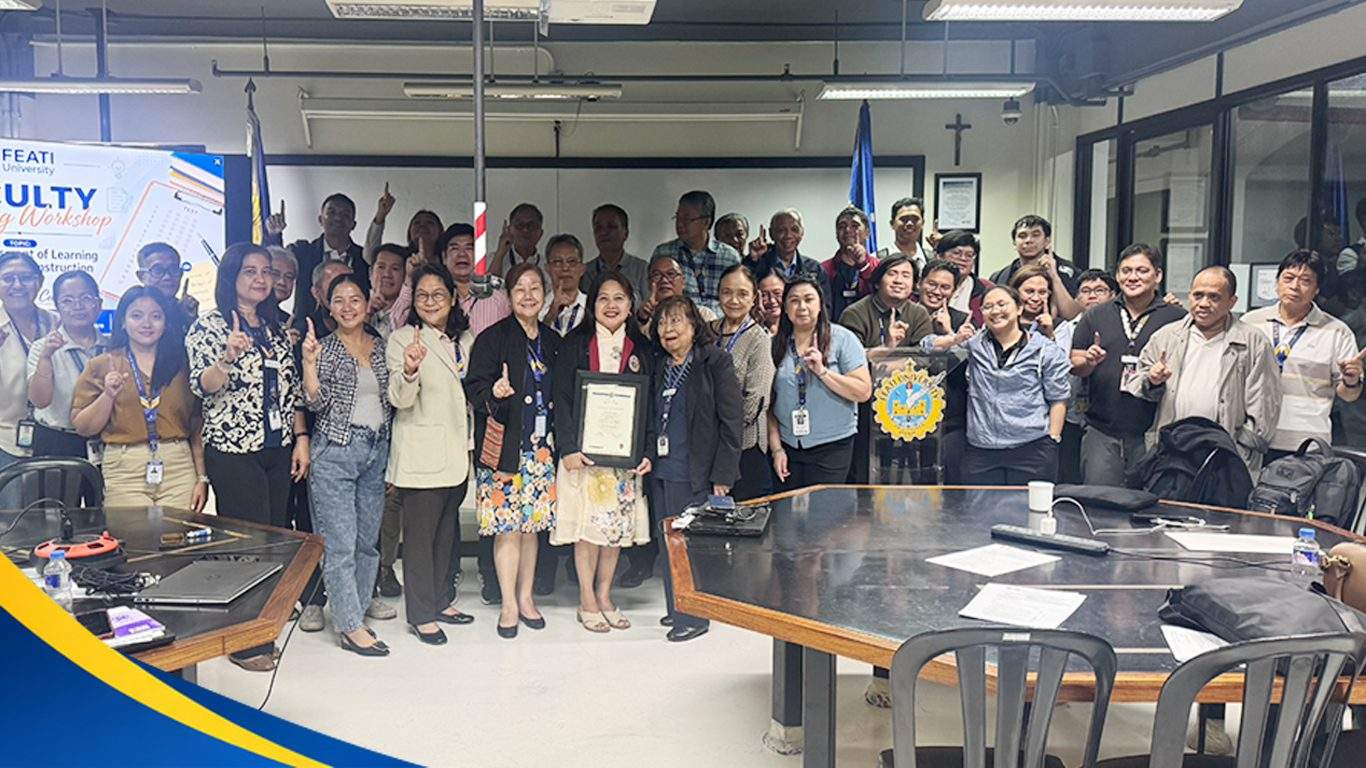
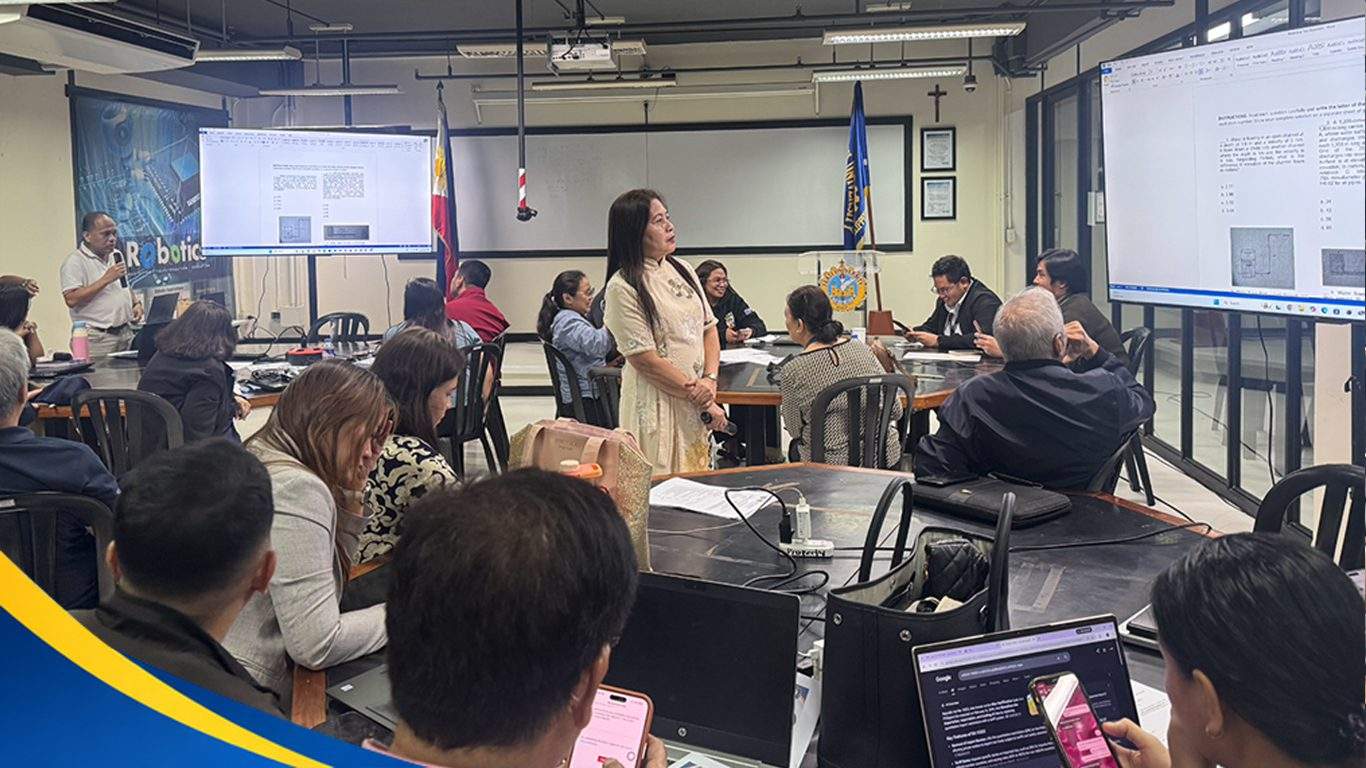
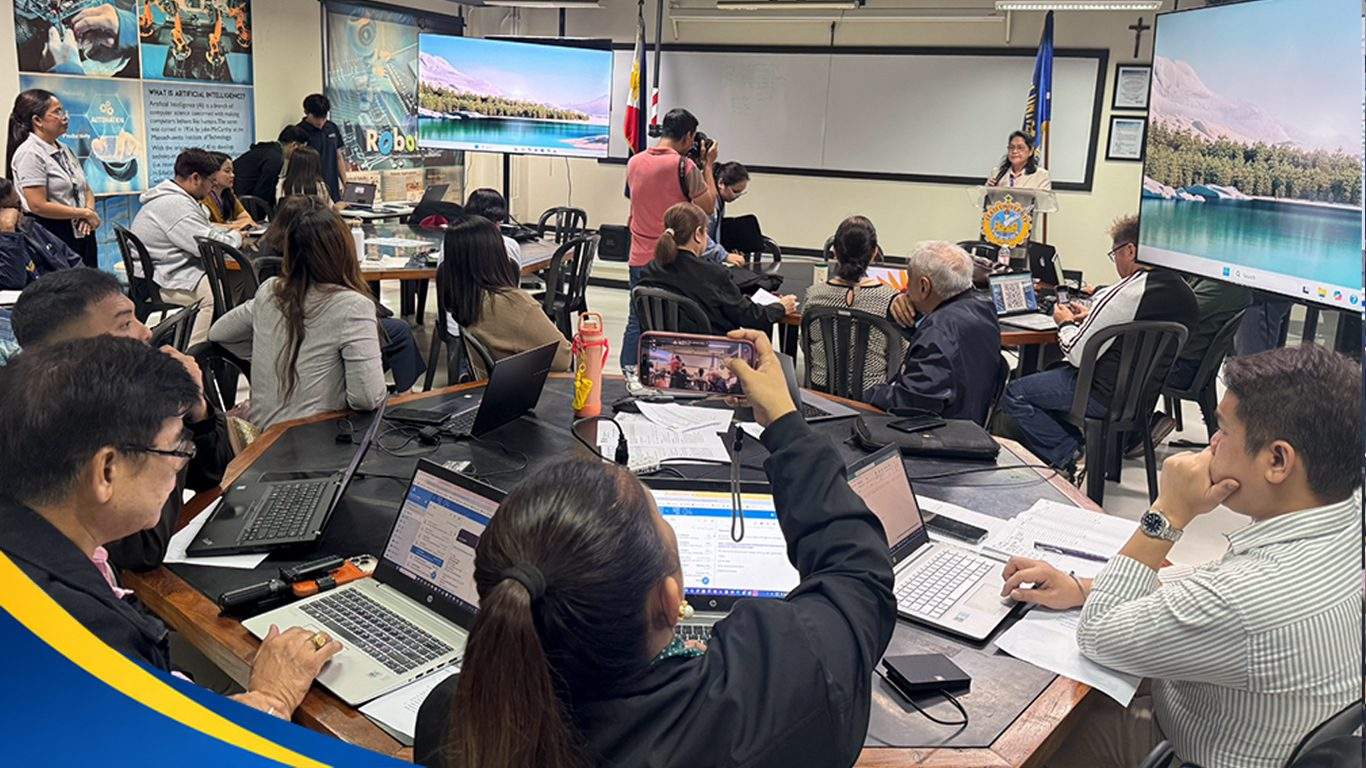
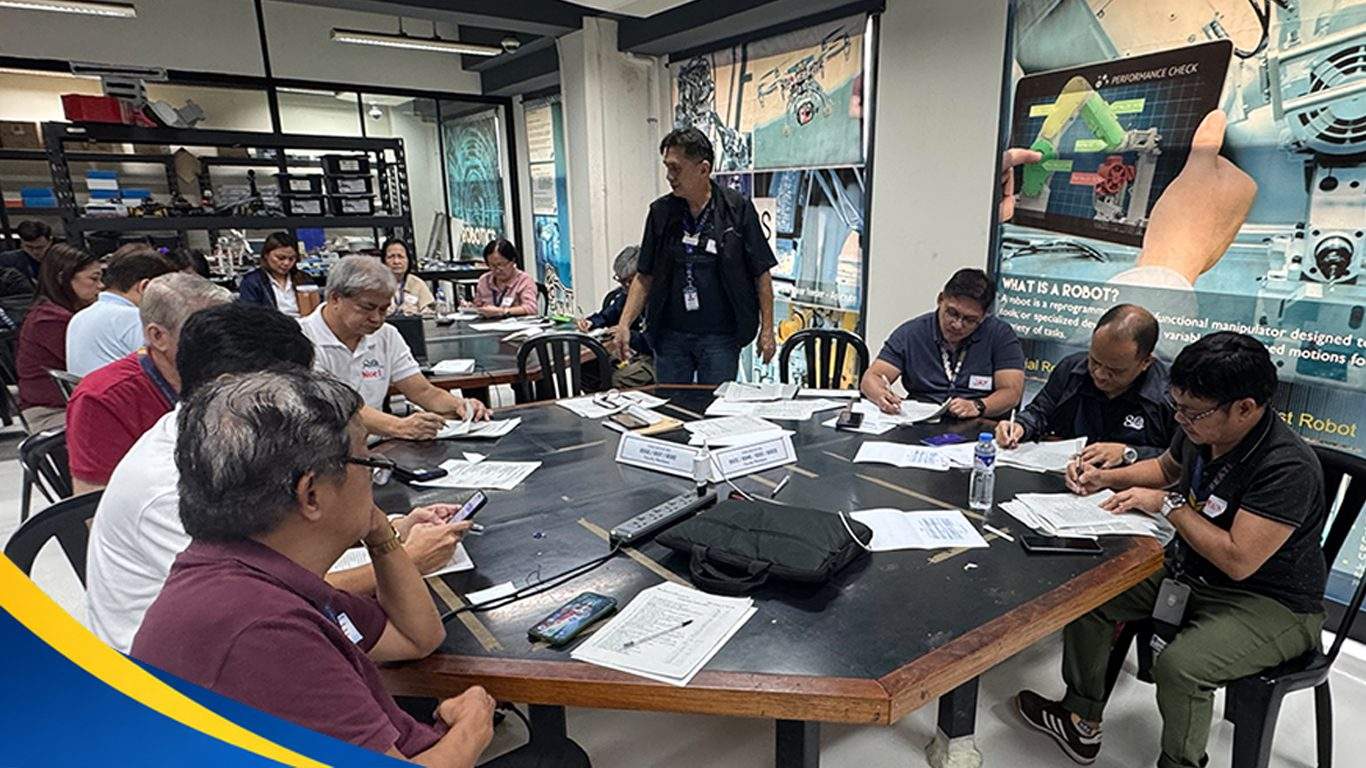
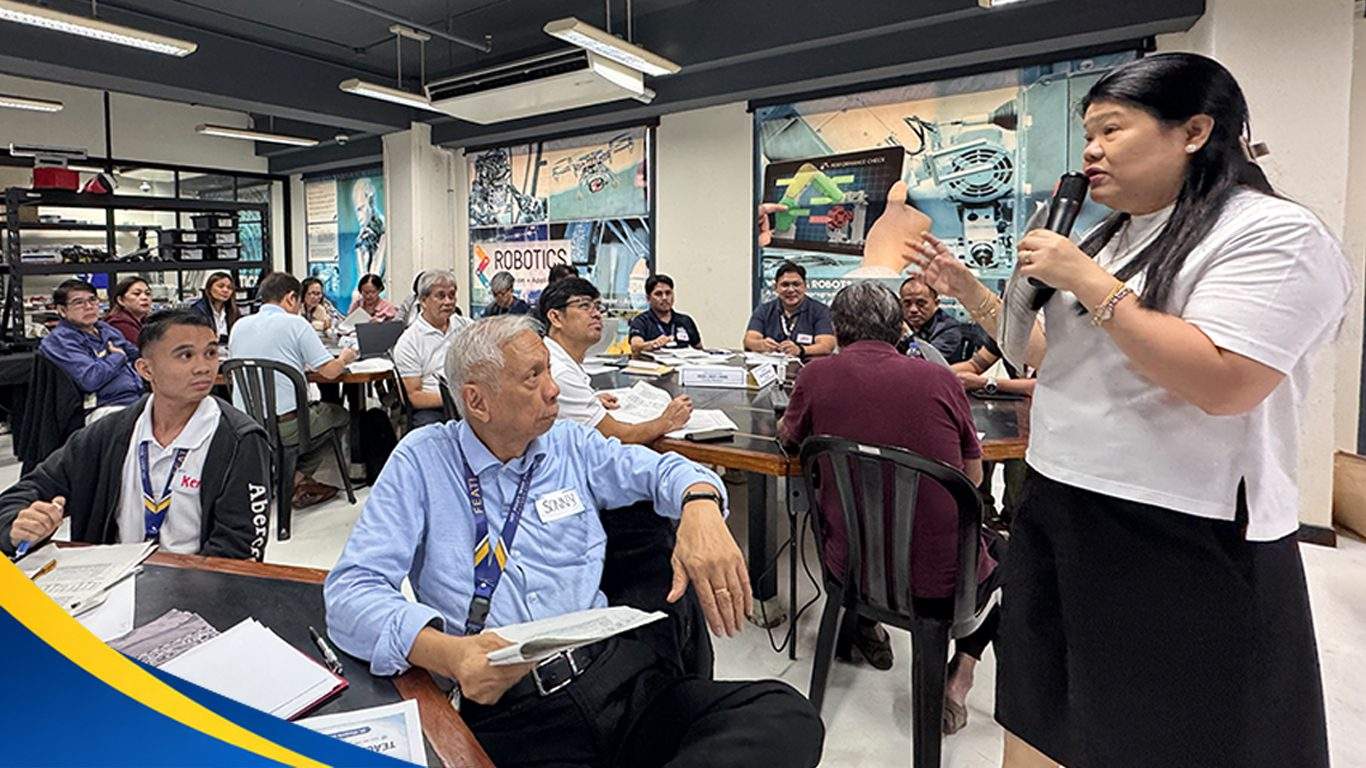
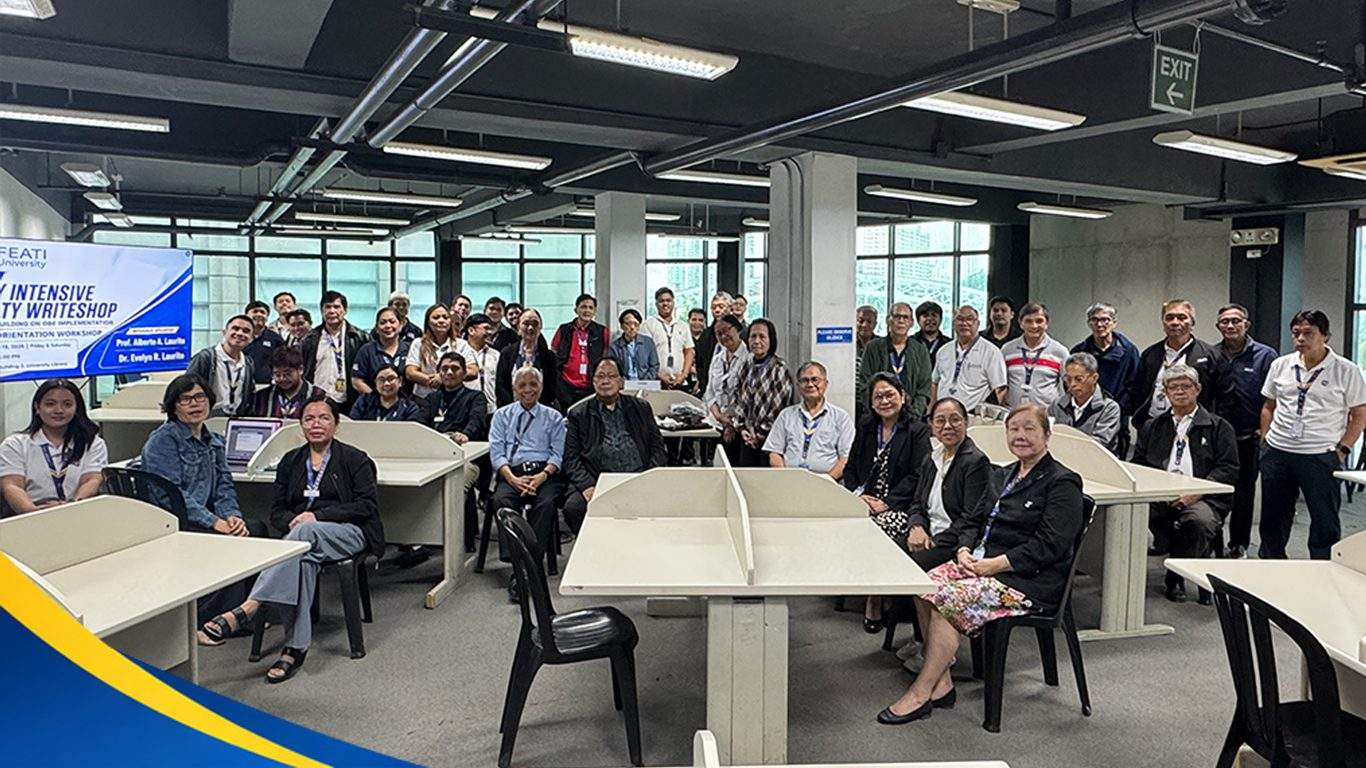
The program, delivered through six (6) intensive, highly interactive seminars and workshops, were attended by the University’s academic group. Full time / Part time instructors, Program Heads, Department Heads and Deans were joined by the University President, Dr. Susan M. Gallardo, VPAA Dr. Evelyn Creencia and Director Eulalio Creencia of Quality Assurance Services;
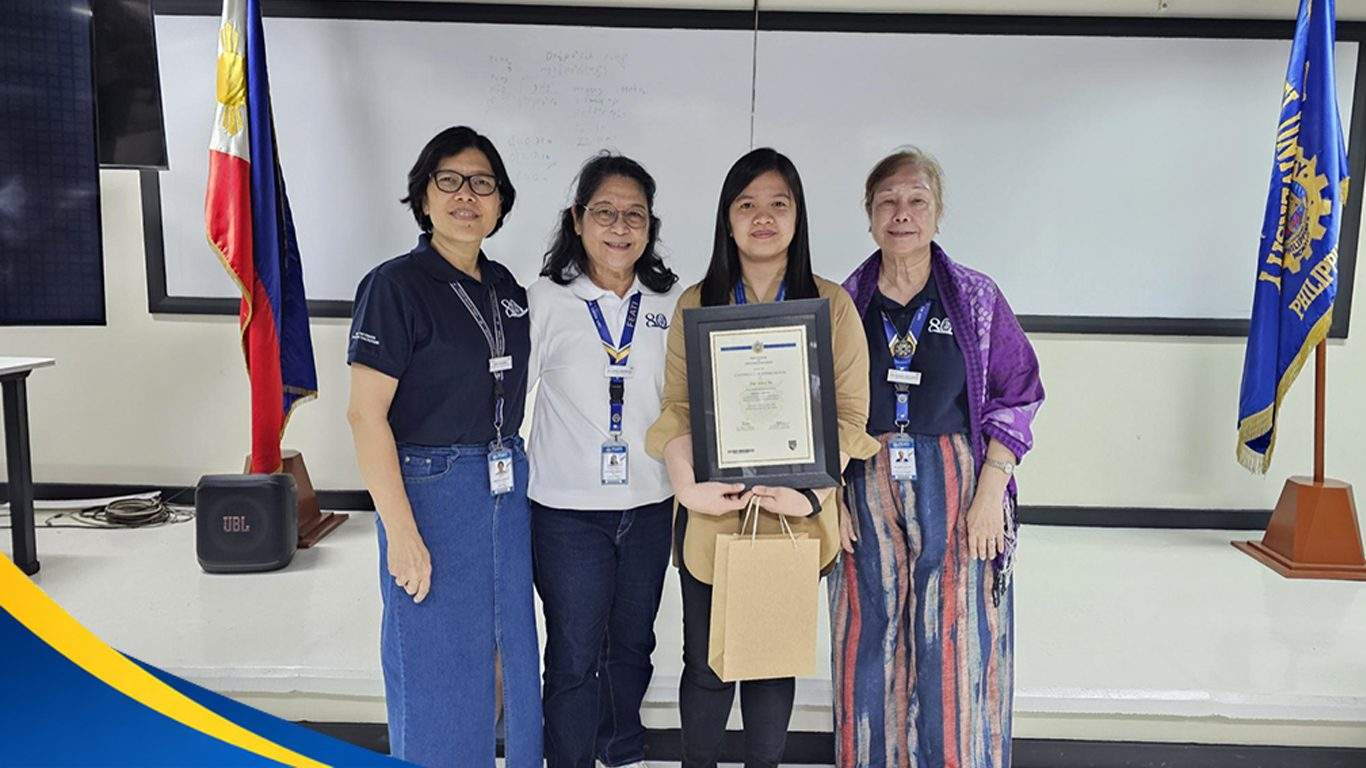
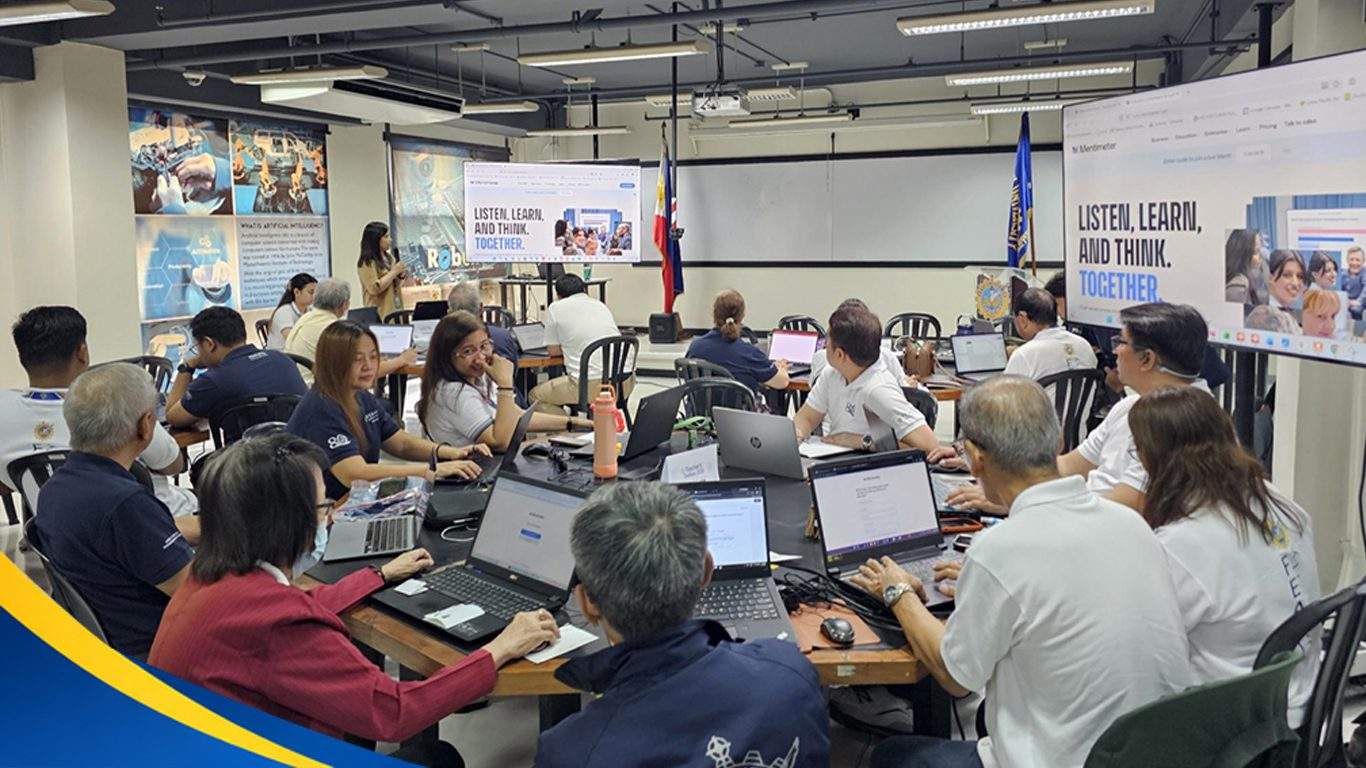
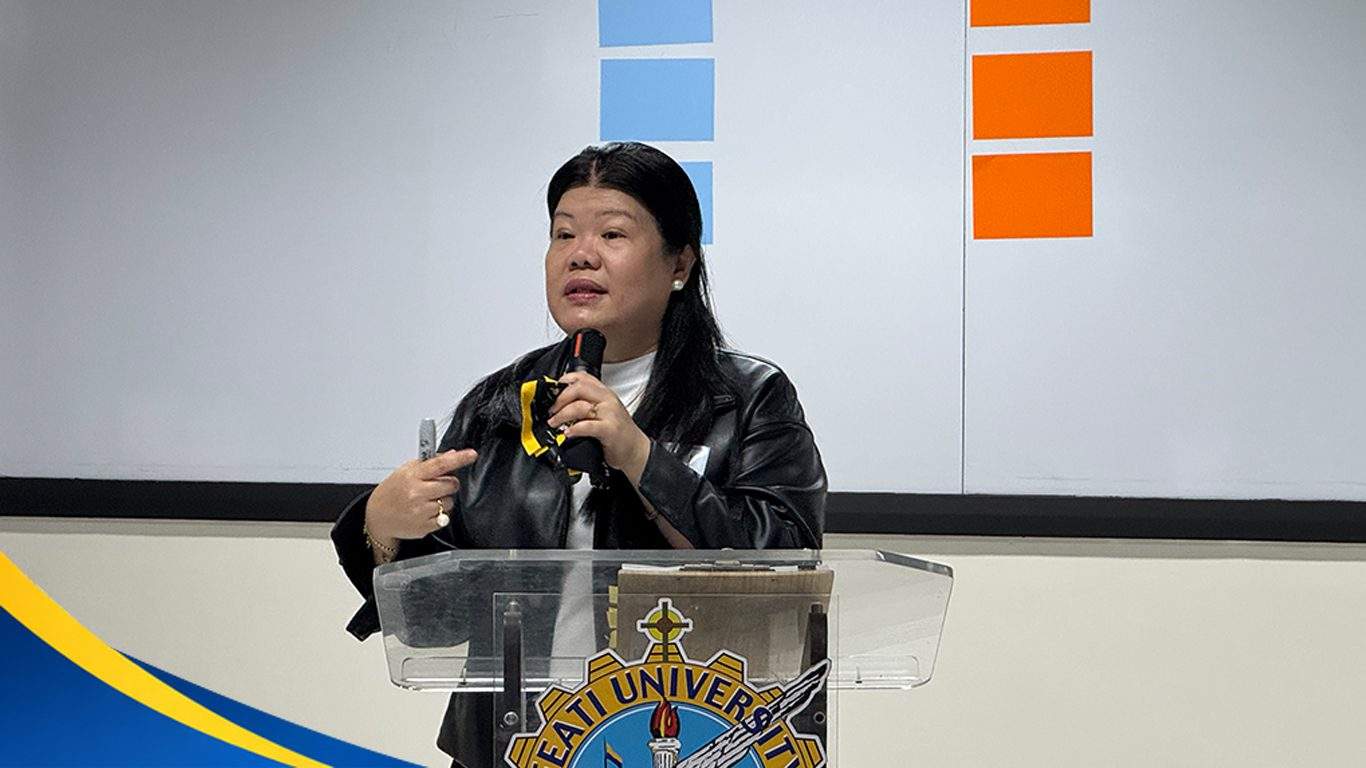
August 1, AI Teacher’s Toolbox: Engr. Sofia Rey, Deputy CEO for New Technologies talked about and demonstrated the use and benefits of using Artificial Intelligence tools in improving the productivity of teachers in the delivery of courses and other key academic requirements.
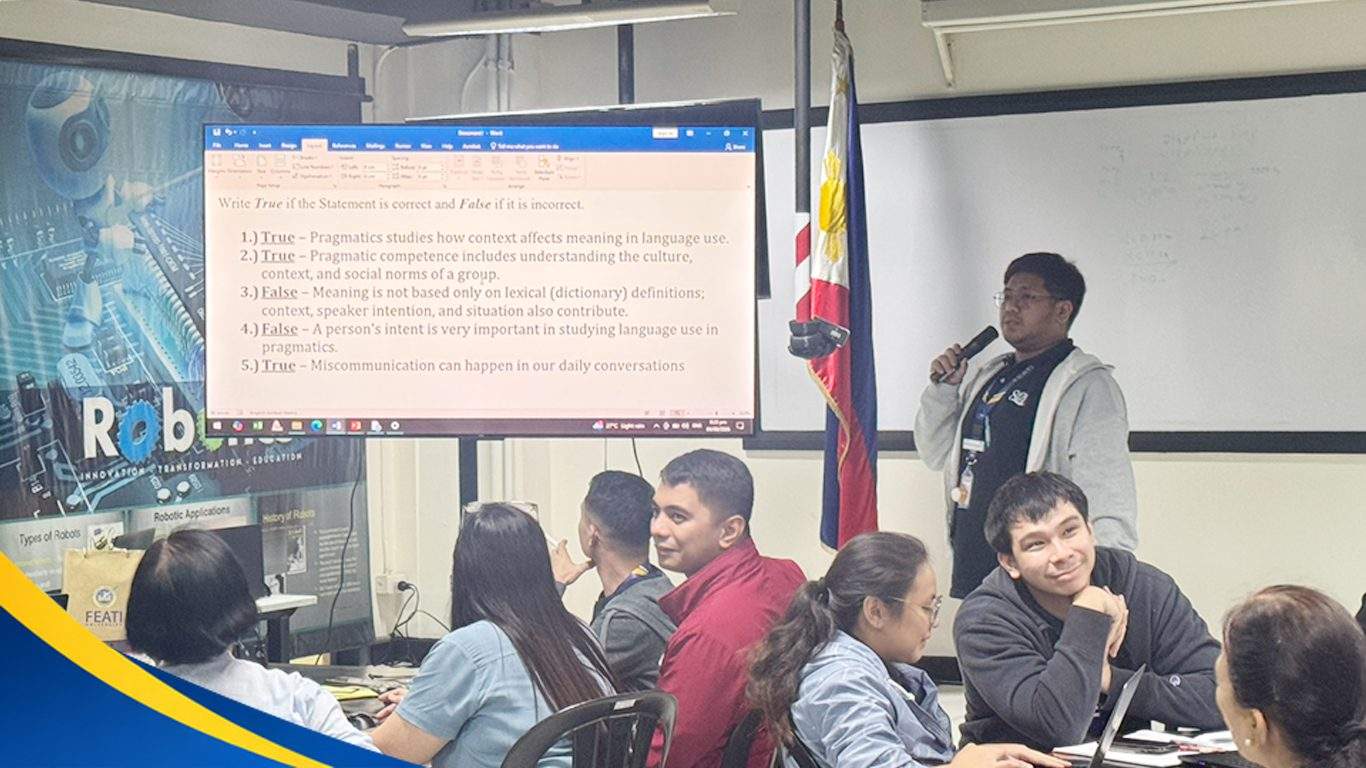
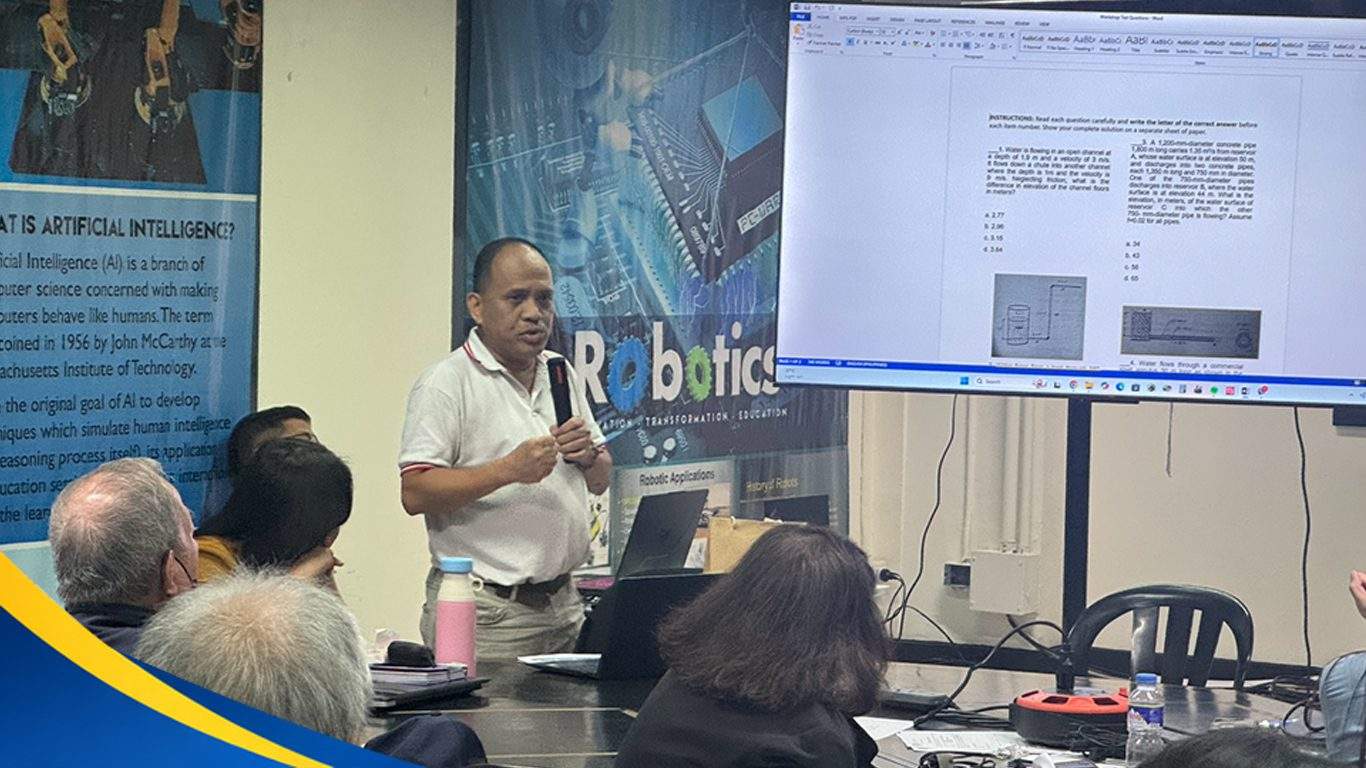
August 4, Assessment of Learning with Test Construction: Dr. Perlita Custodio, Assistant Director of the Perpetual Help University DALTA Executive Accreditation and Audit Center, used Outcomes-Based Education (OBE), discussed Learning Outcomes, Bloom’s Taxonomy, the OBE Constructive Alignment, the Six-Step Approach to Assessment, the need for Table of Specifications, and the Types of Test and How to Construct them. The OBE is a teaching framework advocated by many education specialists.
She gave examples of types of test such as matching type, alternate response, completion, among others, and explained how these test types that teachers have been using for years can be made more attuned to a learner-centered learning.
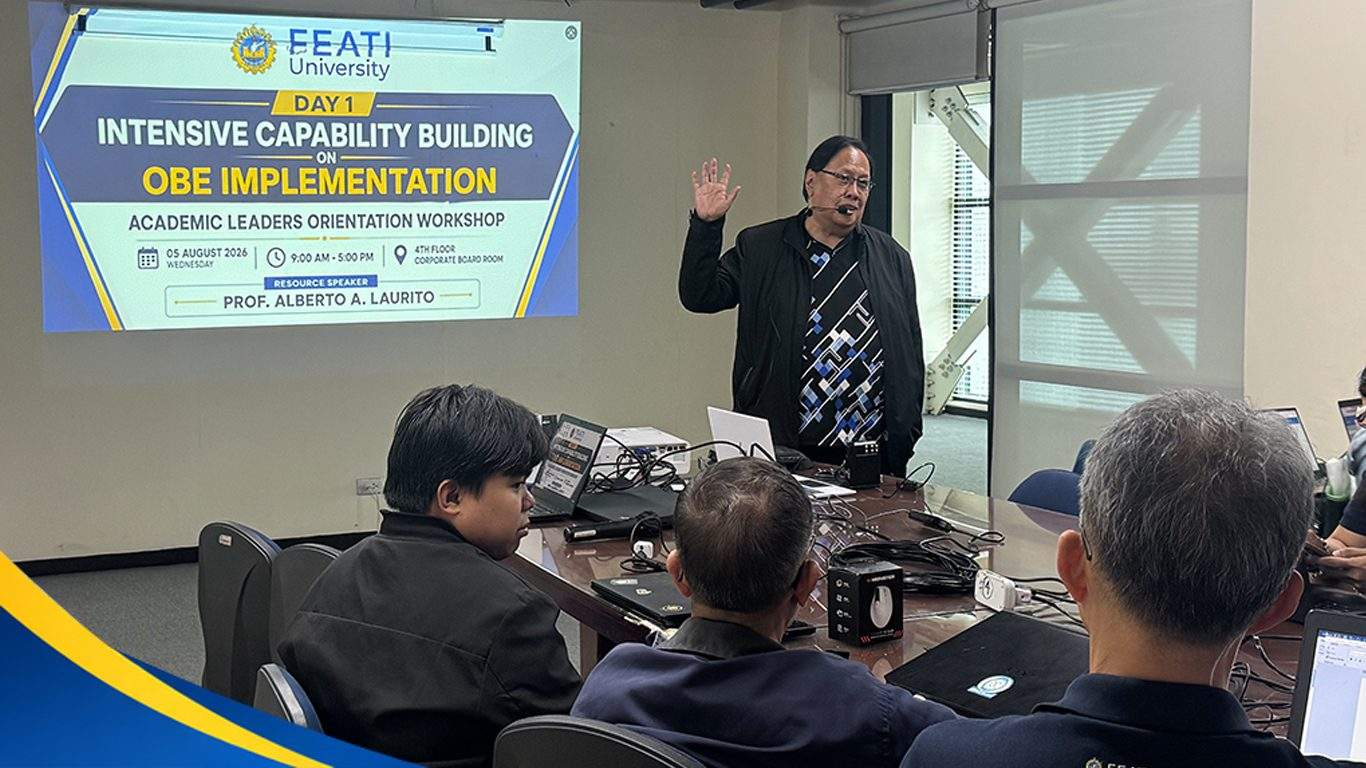
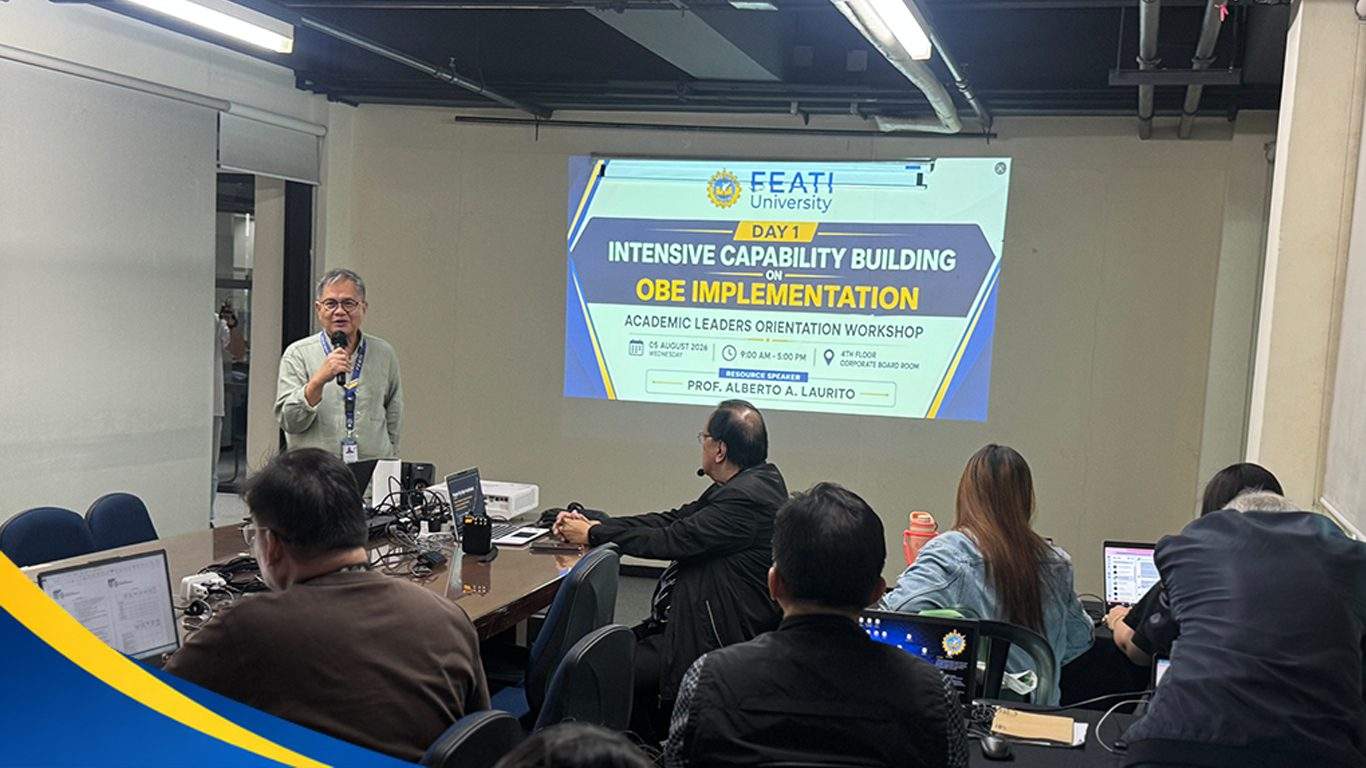
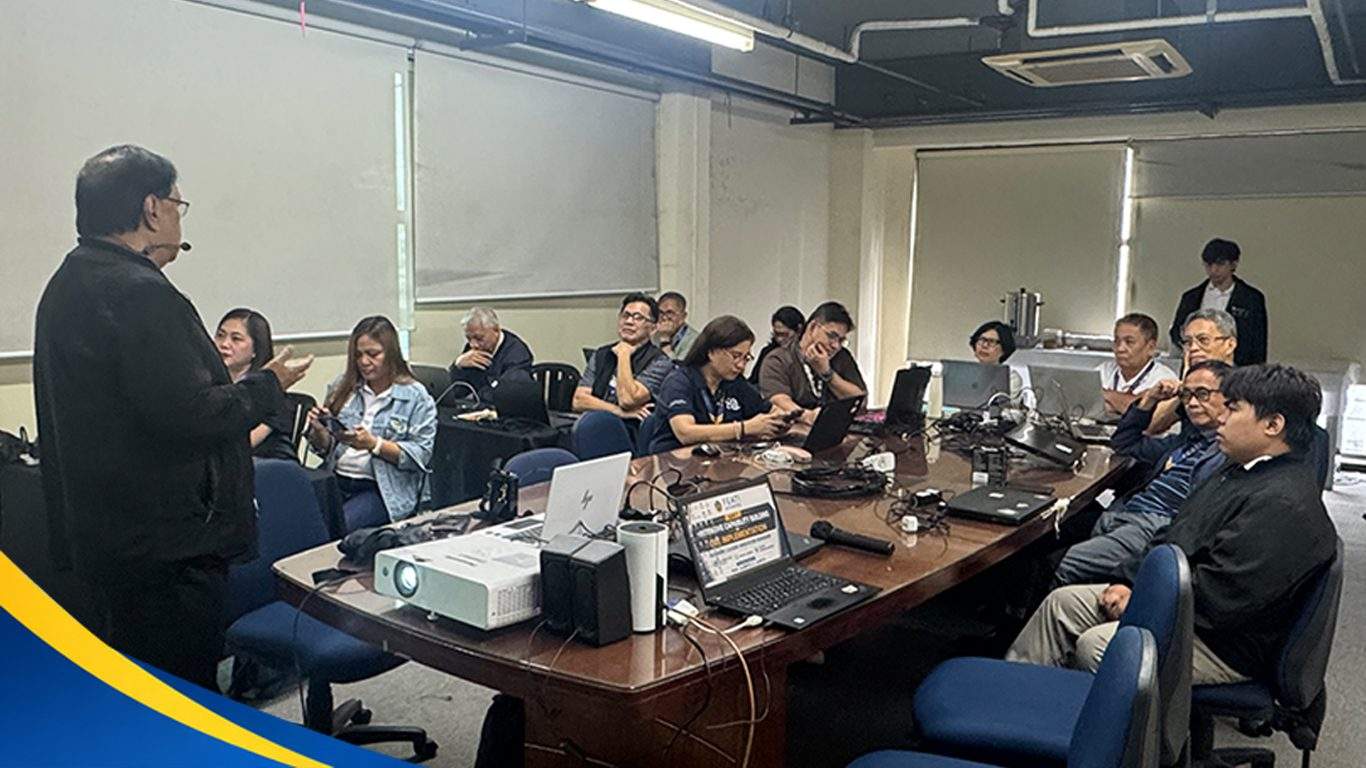
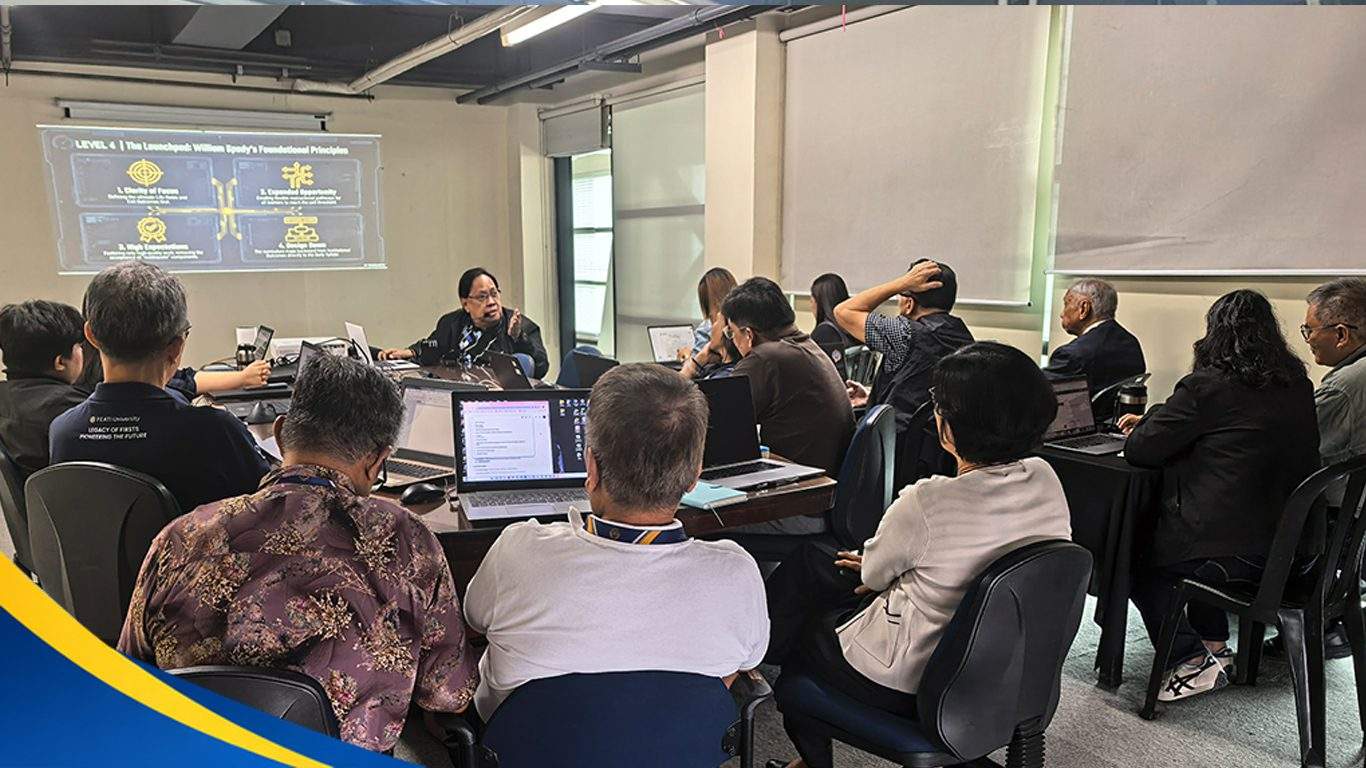
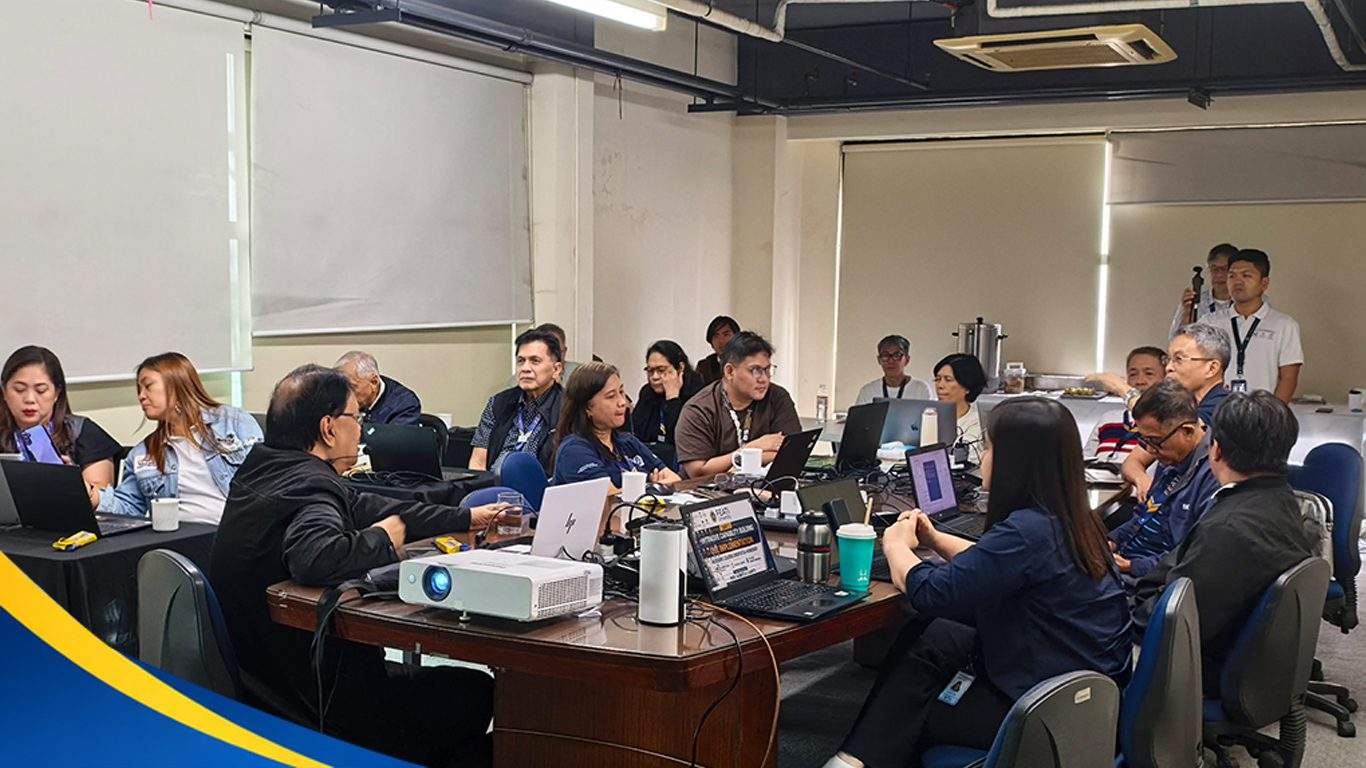
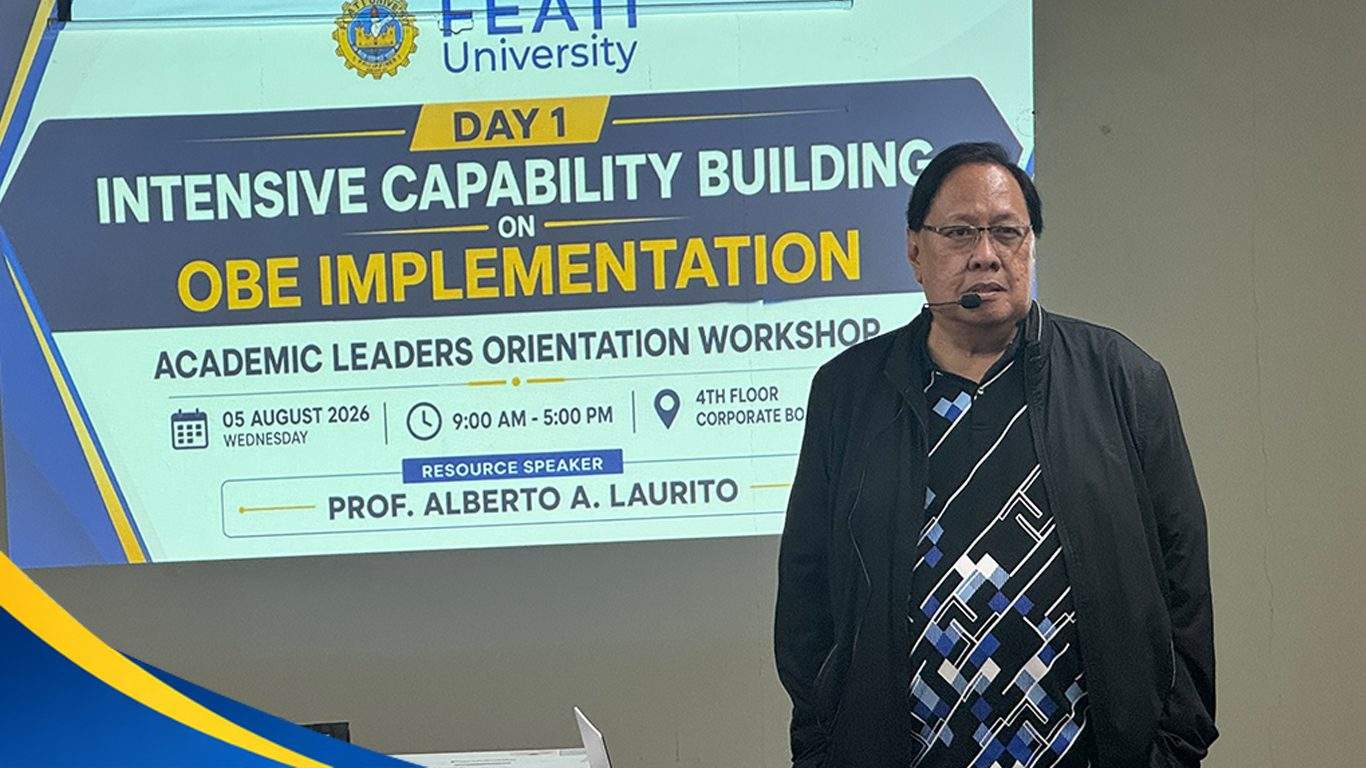
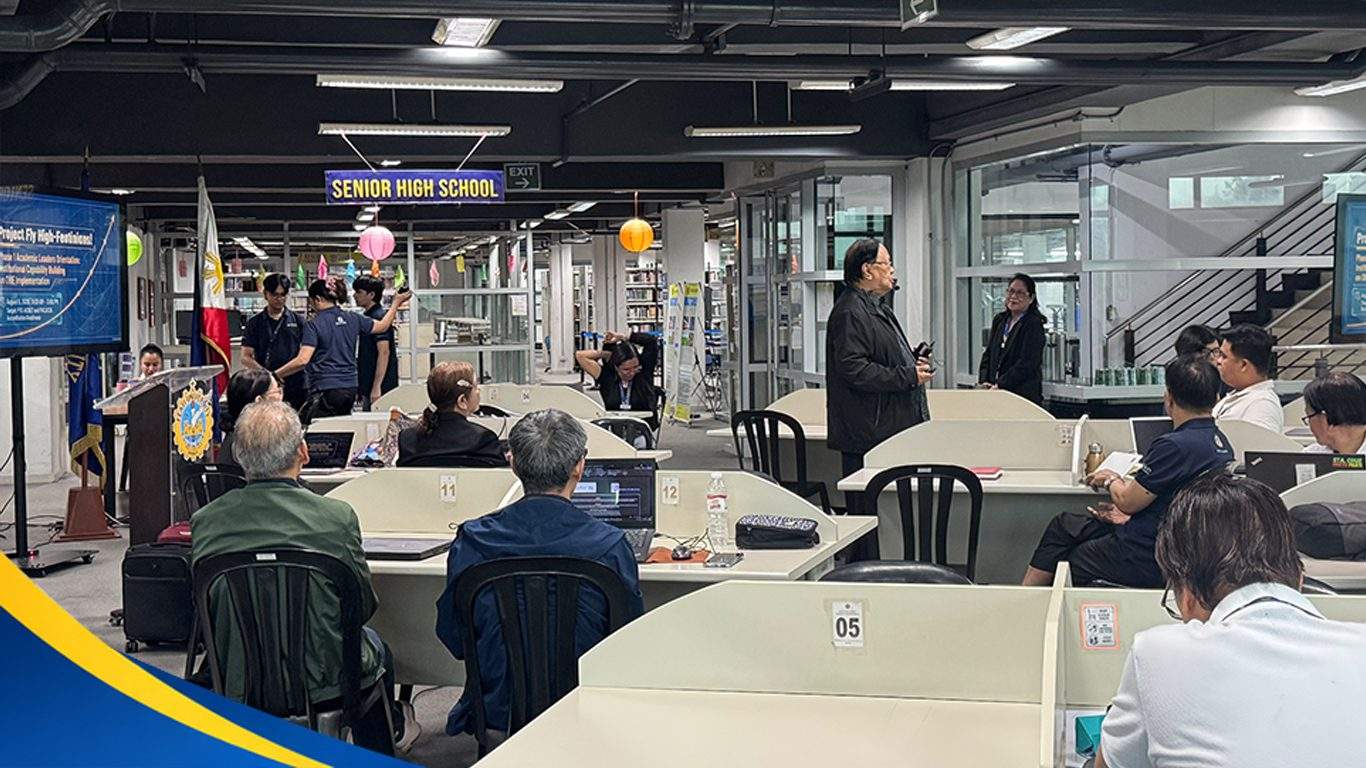
August 5, Academic Leaders Orientation Workshop: Prof. Alberto A. Laurito, a former Dean of the College of Engineering in the University of Sto. Tomas and currently member of CHED’s Technical Panel in Engineering gave an executive orientation to the Management Committee, all Deans, Department Chairs, and Program Heads on the forthcoming Two-Day Intensive Faculty Writeshop scheduled for August 14 & 15 , 2026.
This “writeshop” will equip university academic leaders and faculty with standardized frameworks, templates and alignment mechanics necessary to drive the subsequent stages of PACUCOA and PTC-ACBET accreditation preparation internally to modernize our academic management and reinvent our educational delivery.
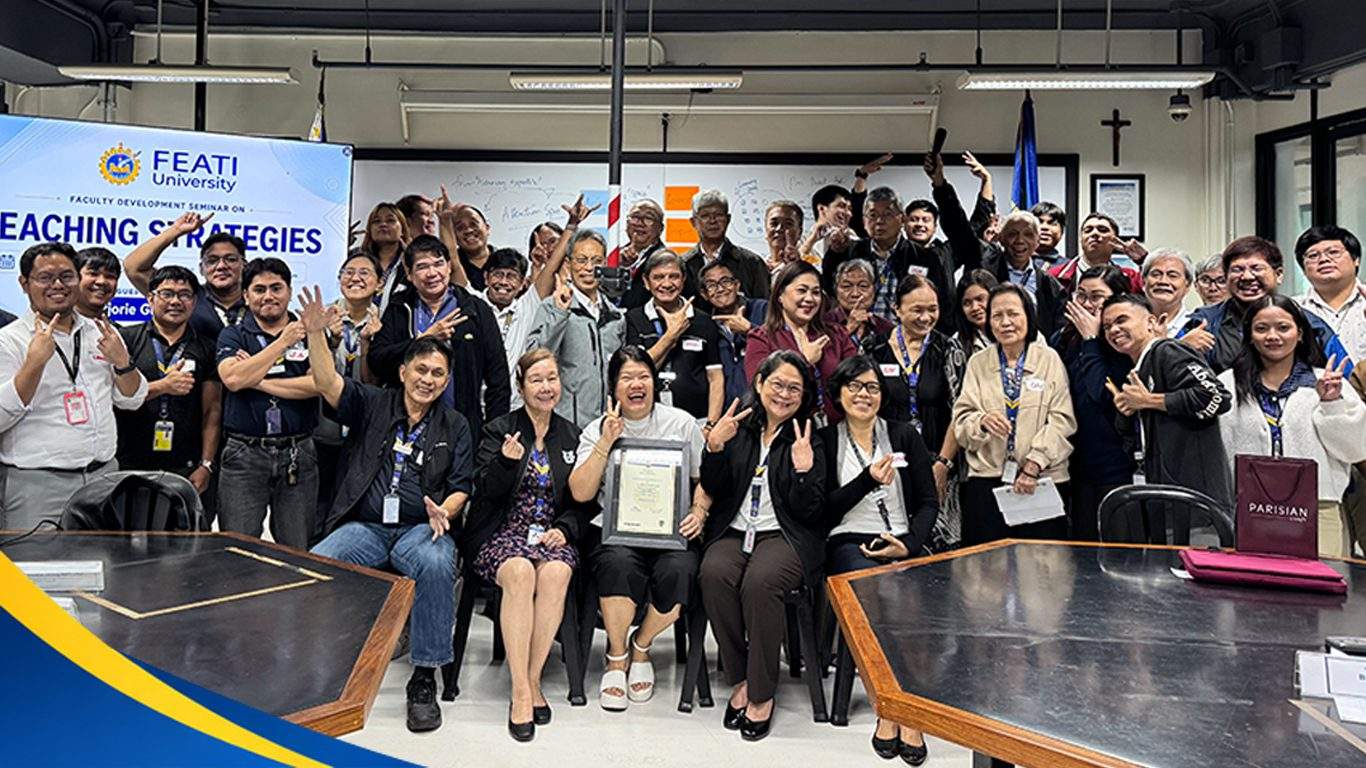
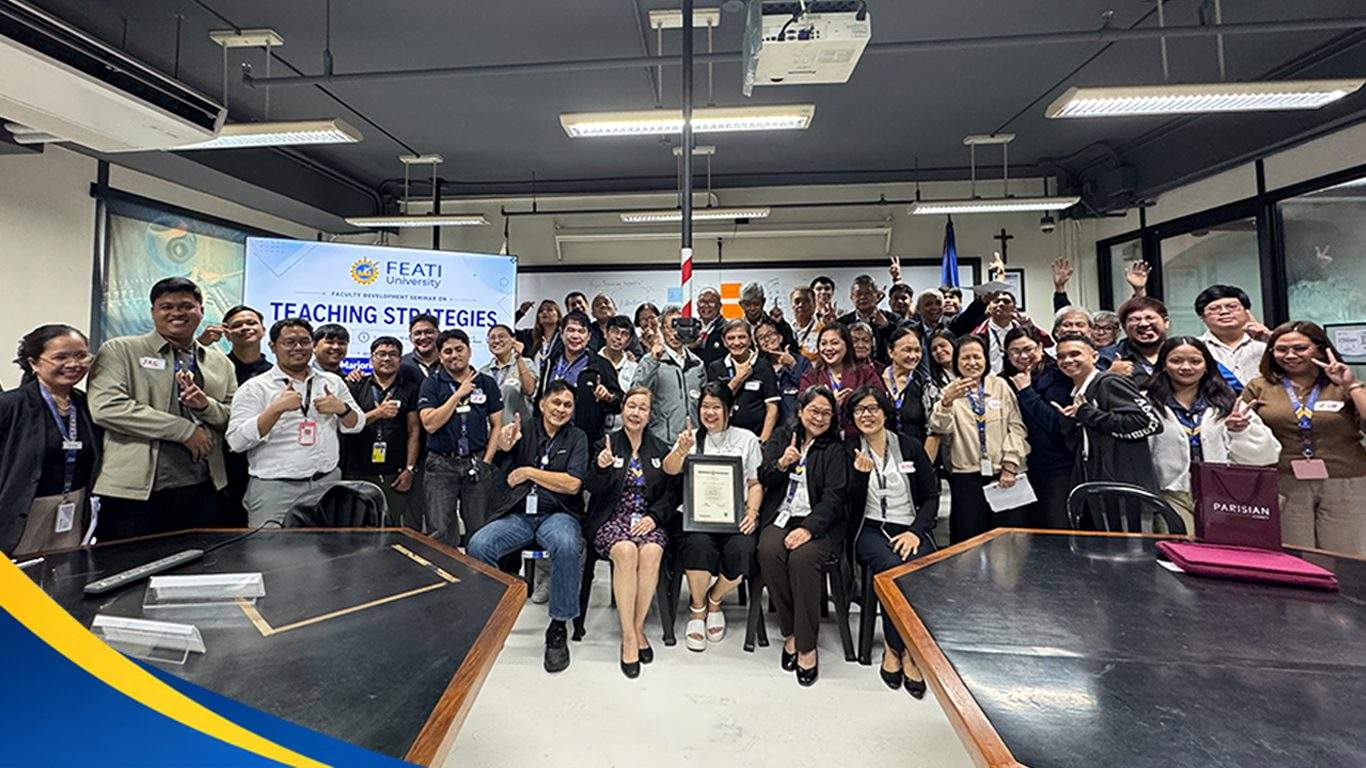
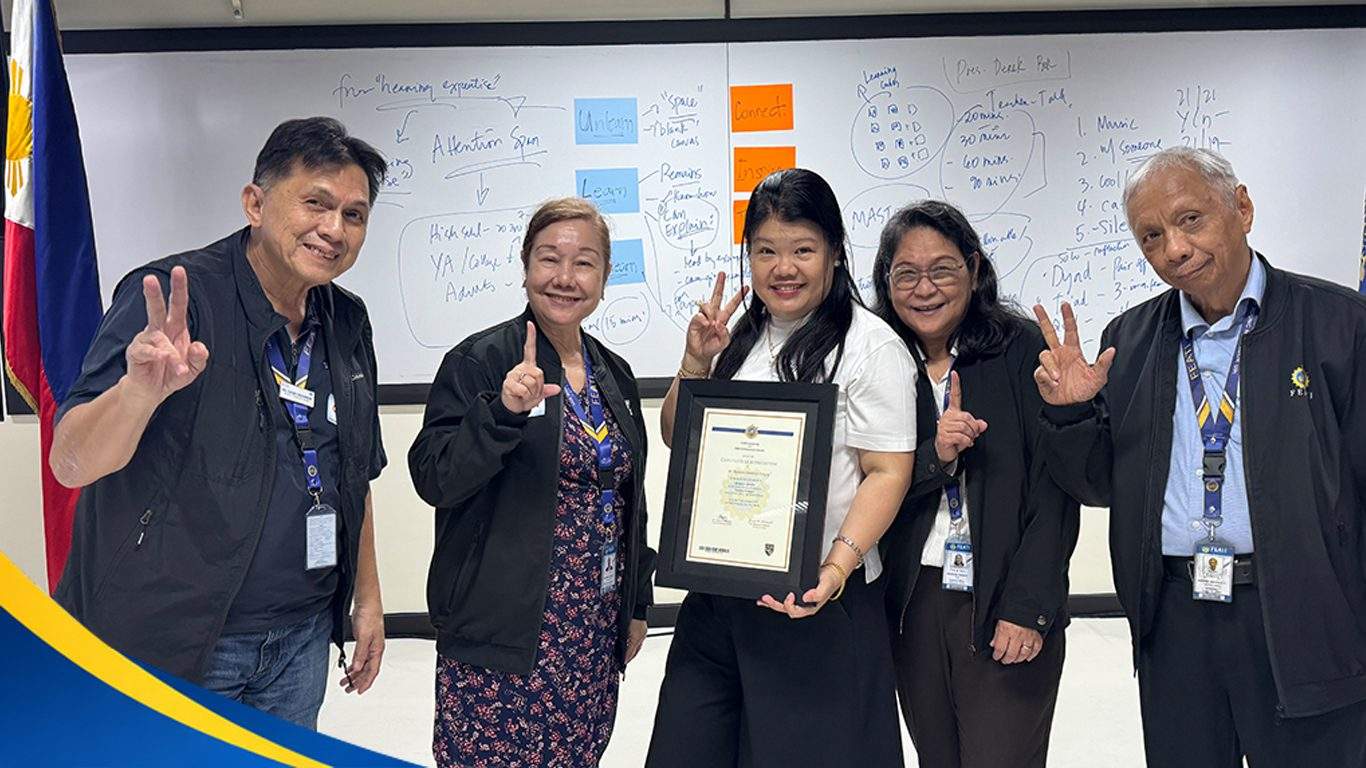
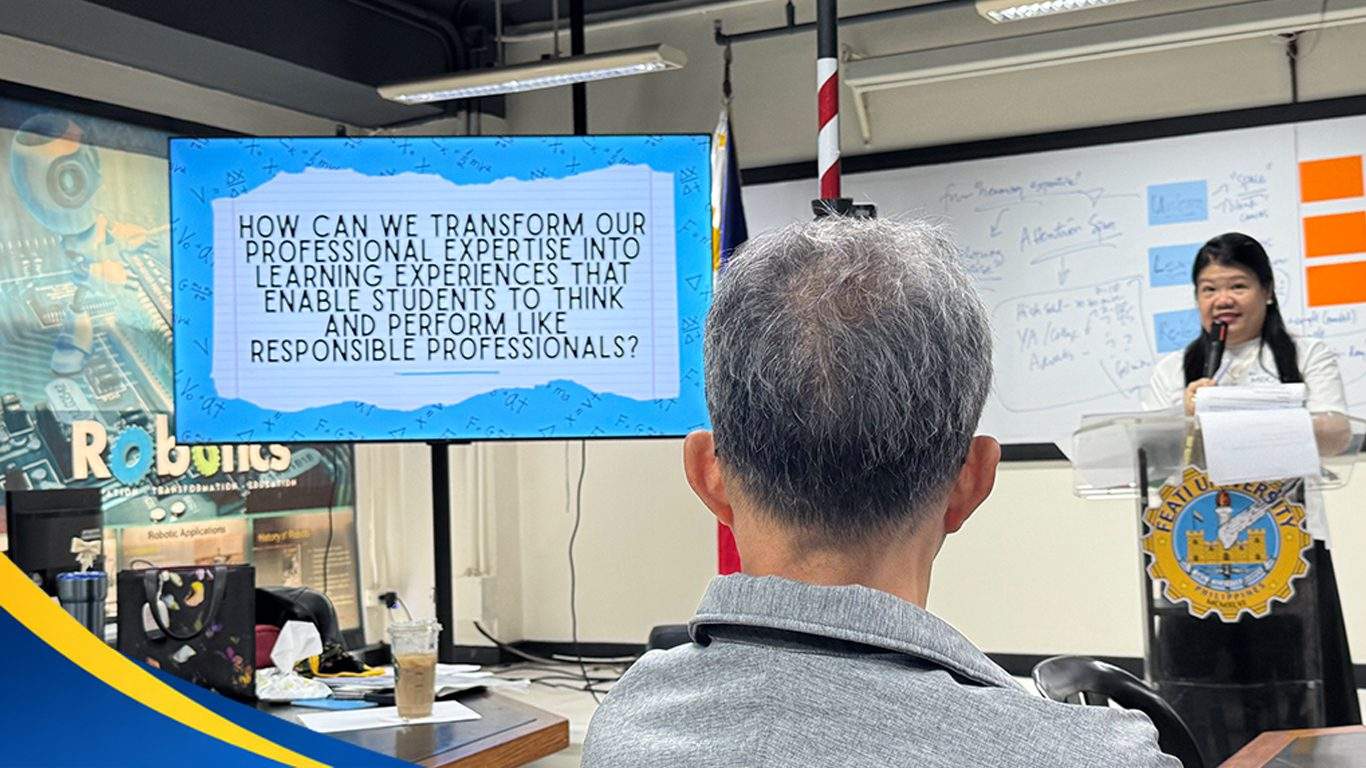
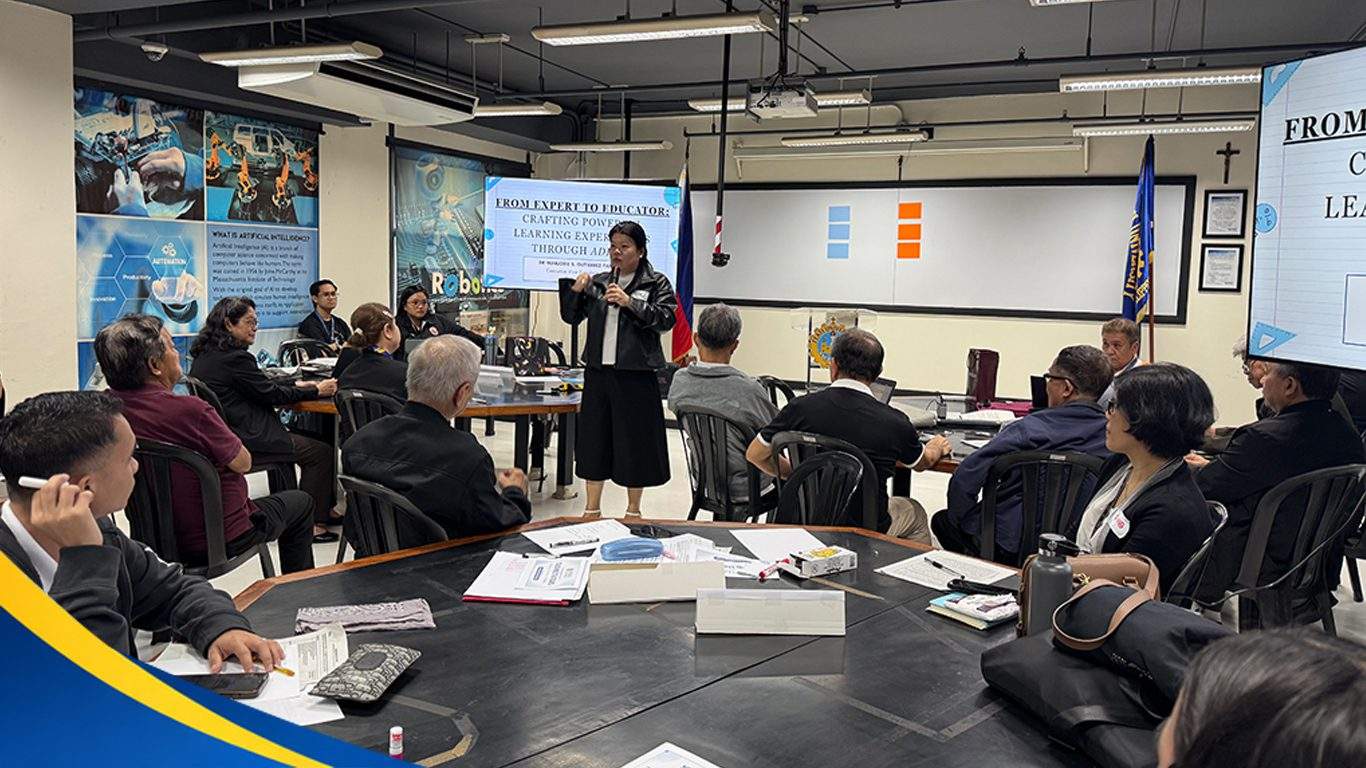
August 7, Teaching Strategies: Dr. Marjorie Gutierrez-Tangog, Executive Vice President of the University of Perpetual Help System DALTA,
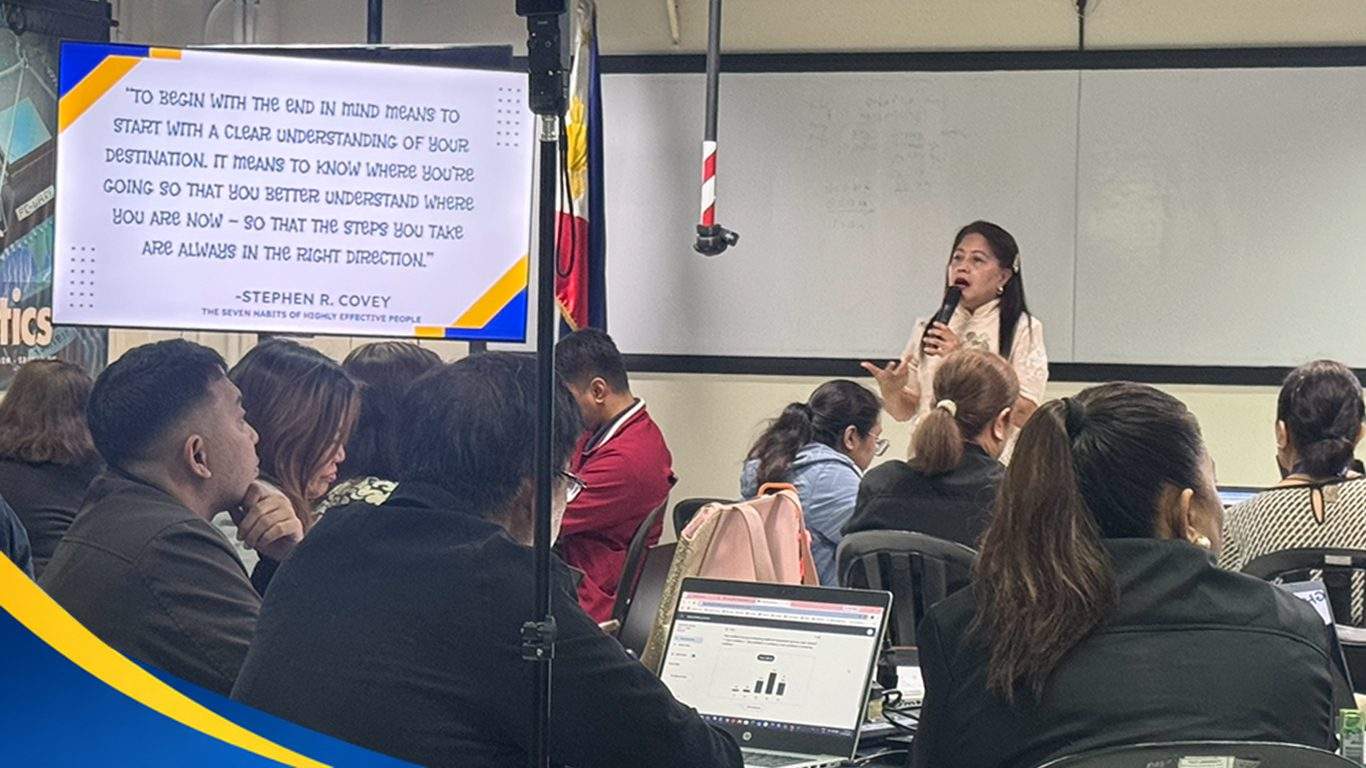
Dr. Tangog, who was introduced by the University Board Chairman Dr. Gloria M. Alberto, conducted a Multiple Intelligences Inventory, discussed Learning Strategies that utilize modalities such as kinesthetic, auditory, and visual, and explained designing the “ADIDS” and the “ADIDAS” Learning Experience. In this Learning Experience, the students engage in activity, discussion, give inputs, and synthesis. In ADIDAS, the added feature is the “application” phase. These are helpful tools in transforming a lecture-centered lesson into an active learning experience. These are helpful tools in transforming a lecture-centered lesson into an active learning experience.
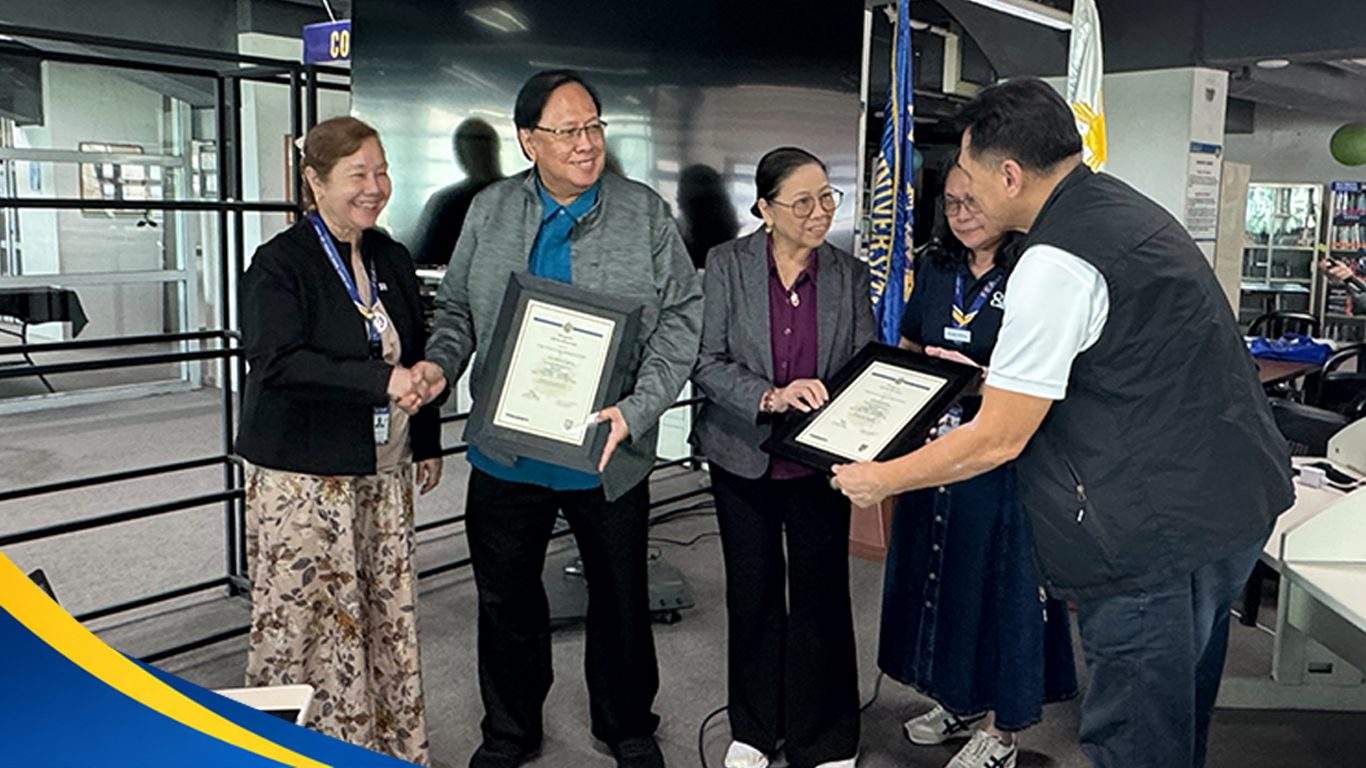
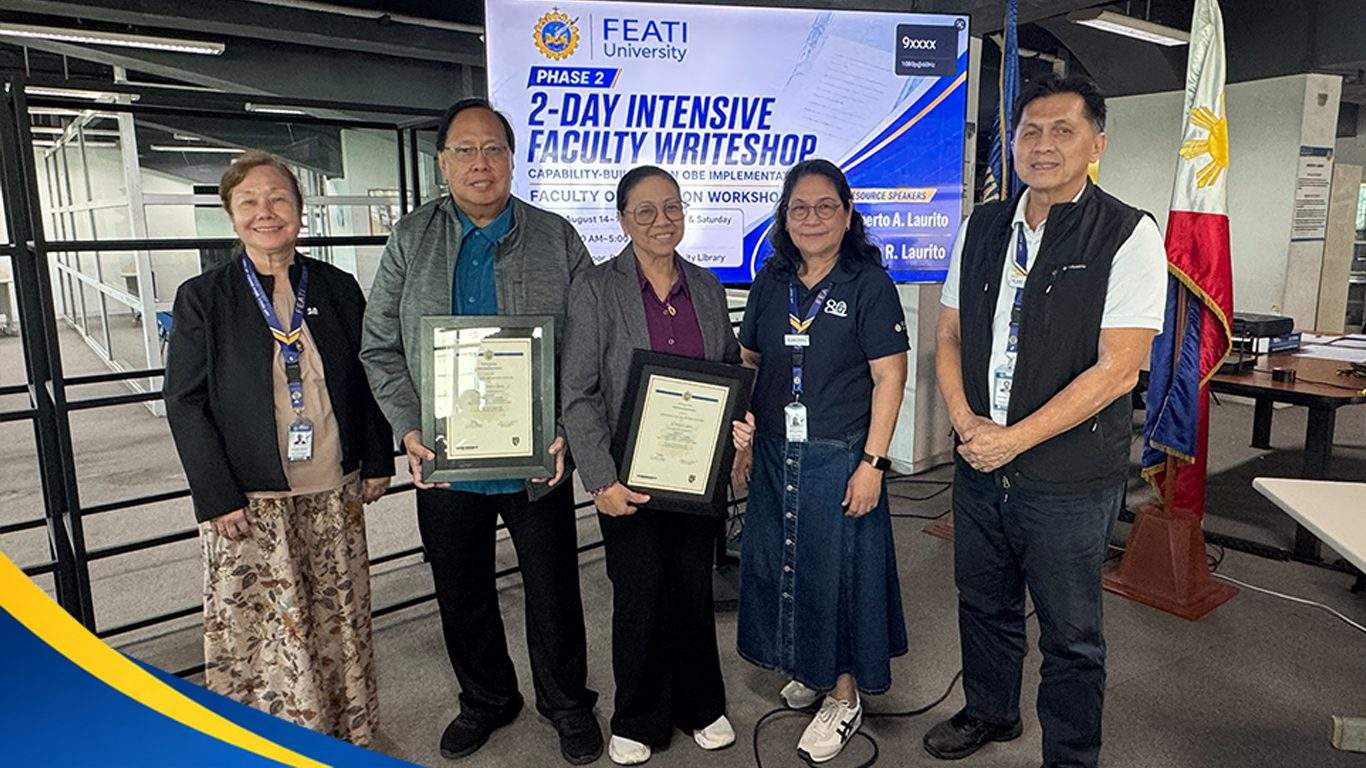
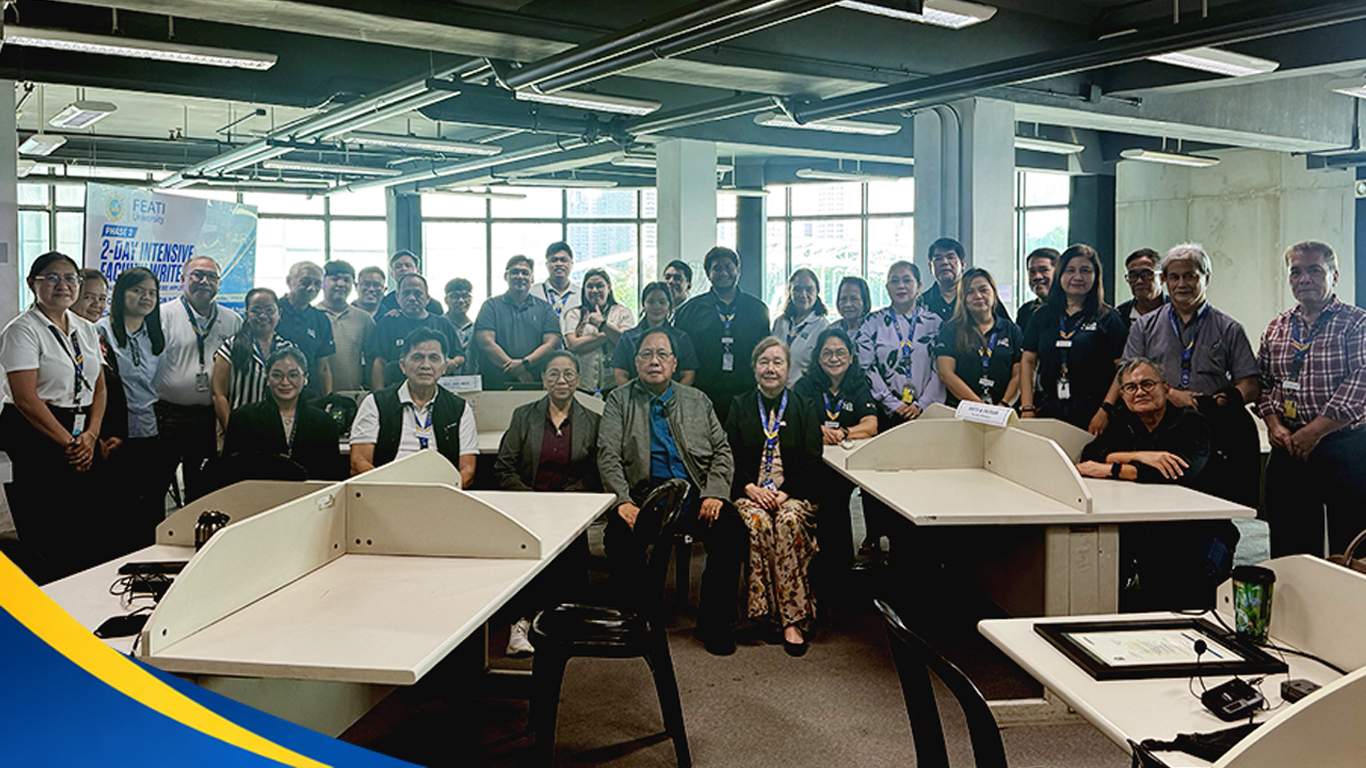
August 14 and 15, Two-Day Intensive Faculty Writeshop: Prof. Alberto A. Laurito and Dr. Evelyn R. Laurito.
The writeshop / seminar, titled “Establishing the Constructive Alignment Blueprint” consisted of lectures and workshop from the tandem of educator-spouses Prof. Alberto A. Laurito and Dr. Evelyn R. Laurito who are both known advocates of OBE and the use of technology in teaching, including Artificial Intelligence (AI).
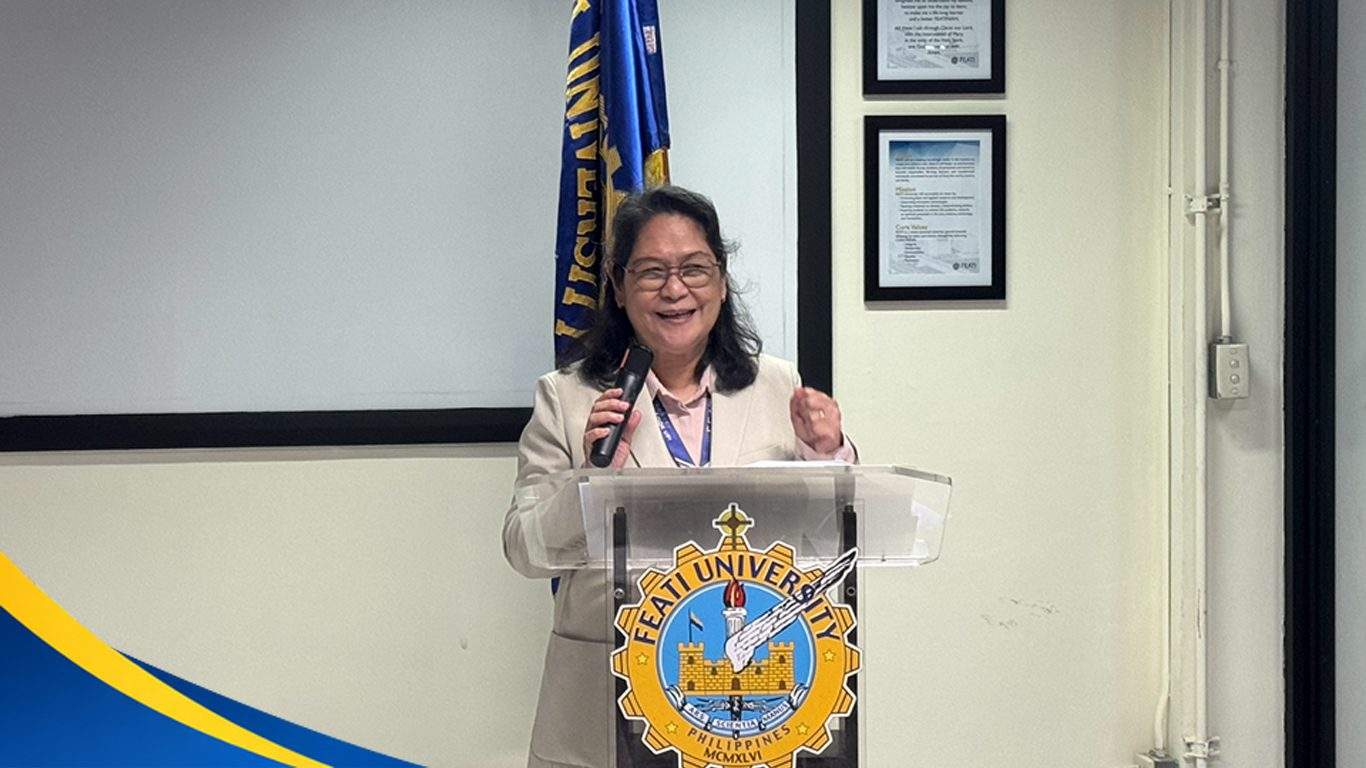
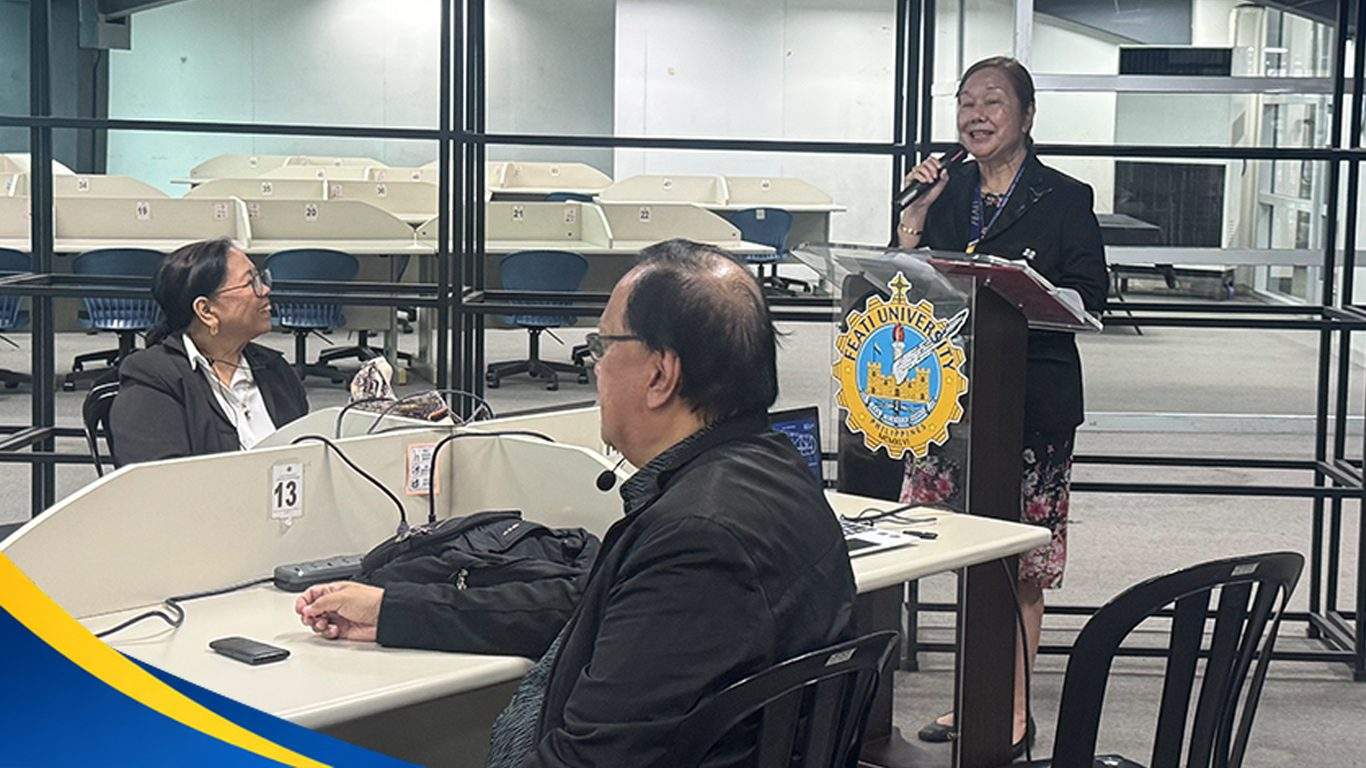
FEATI University President Dr. Susan M. Gallardo, in her message, said that she is aware that for educators like us, change is never easy, but change has to take place from the teacher-centric teaching-learning model that we have been used to, to the student-centric model required by OBE. She emphasized that as teachers we should prepare our students for industry.
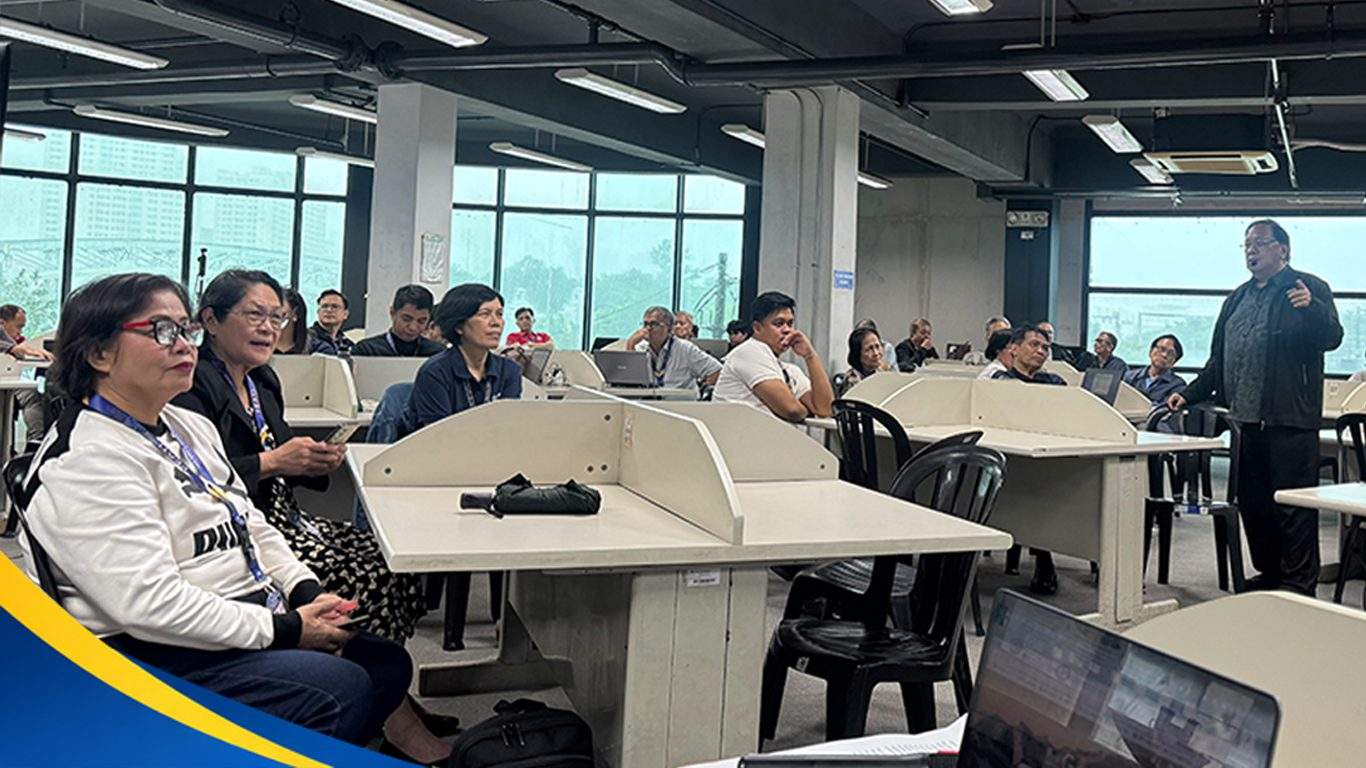
At the onset of his lecture, Prof. Laurito, a renowned consultant on OBE and AI, emphasized two things about OBE: that it is about alignment to produce a common standard for preparing materials such the syllabus, and it is a mechanism for continuous improvement. It is student-centric and focused on graduates. The speaker stressed that having a standardized syllabus format is necessary for accreditation.
The resource person discussed Bloom’s Taxonomy, the Architecture of OBE, how to write the syllabus using AI, and discussed a list of acronyms used in OBE such as PEO (Program Educational Objectives), PO (Program Objectives), CILO (Course Intended Learning Outcome), CMO (CHED Memorandum Order), OBTL (Outcomes-Based Teaching-Learning), among others.
Prof. Laurito likewise explained the process, requirements, and pros and cons of applying for accreditation in various agencies (i.e., ABET, ACBET, PACUCOA, etc) both in the country and abroad.
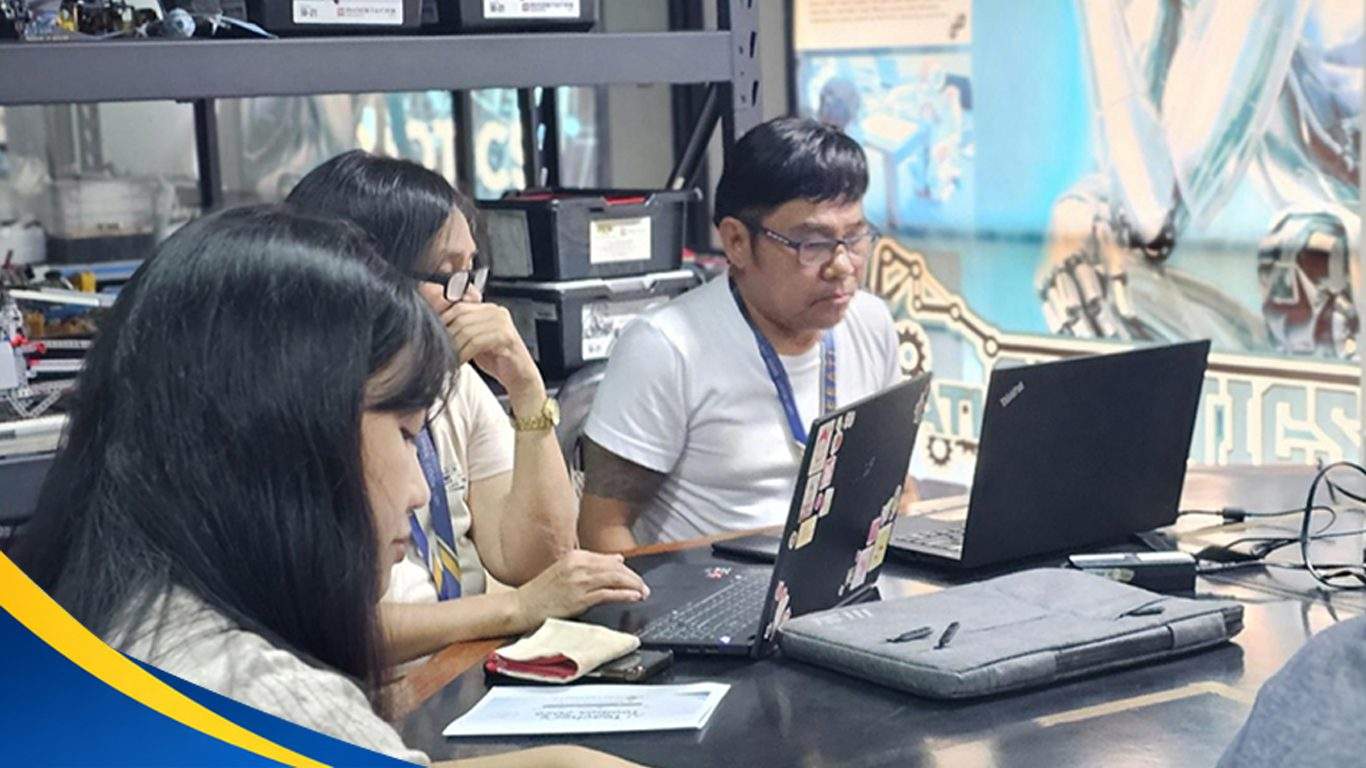
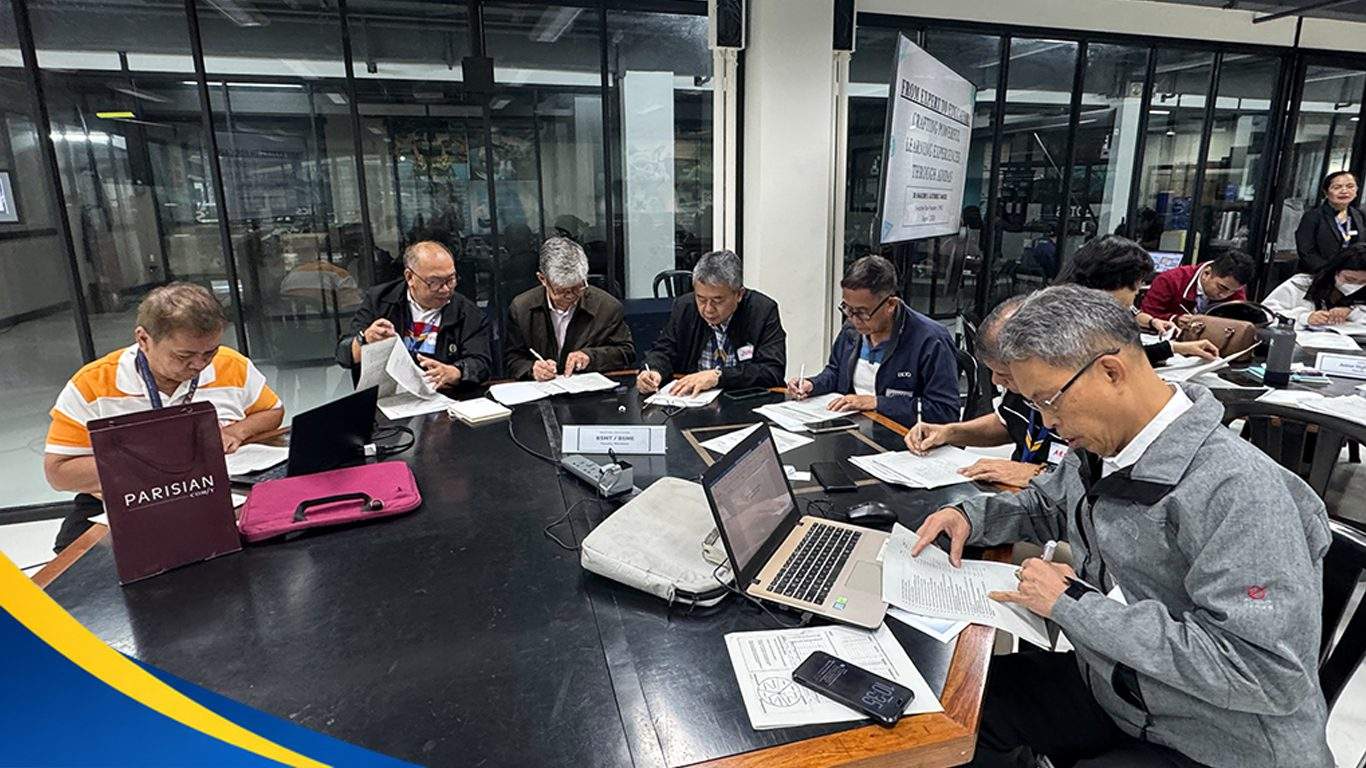
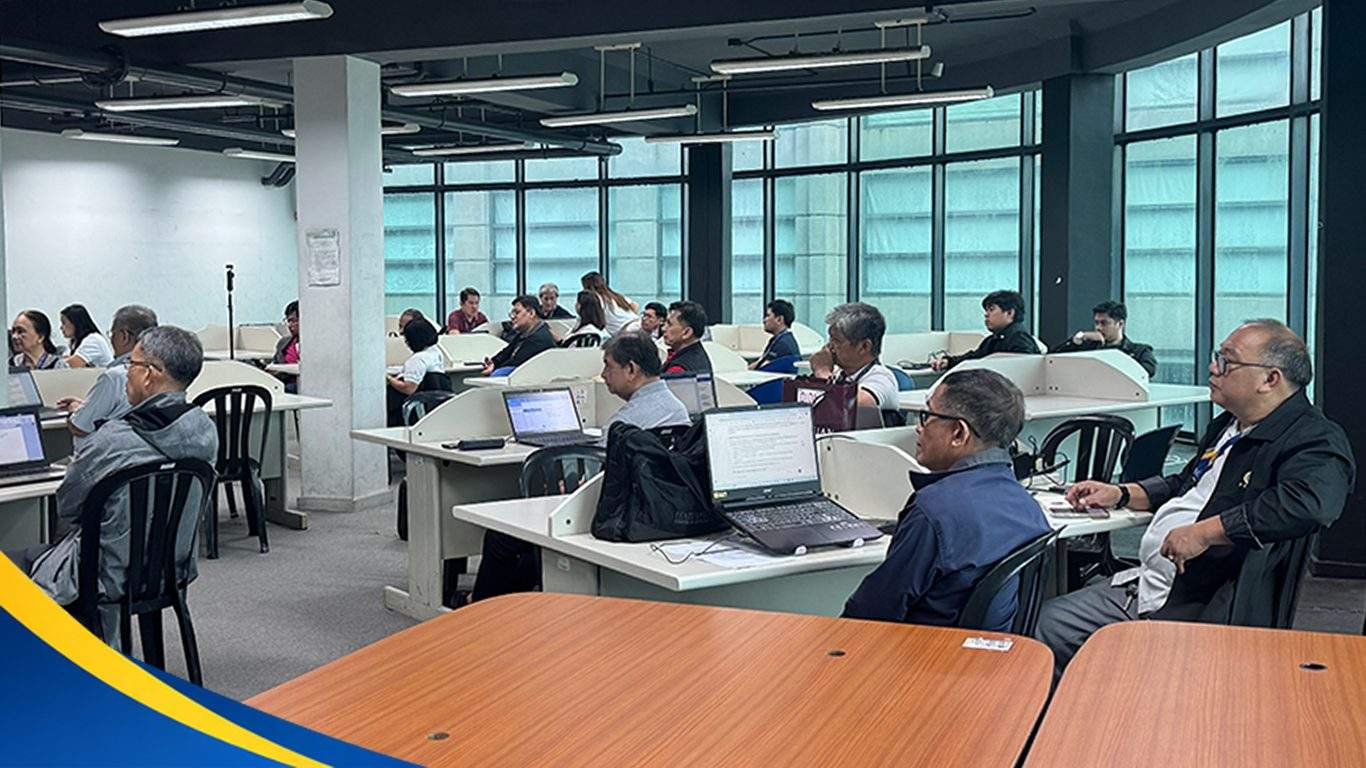
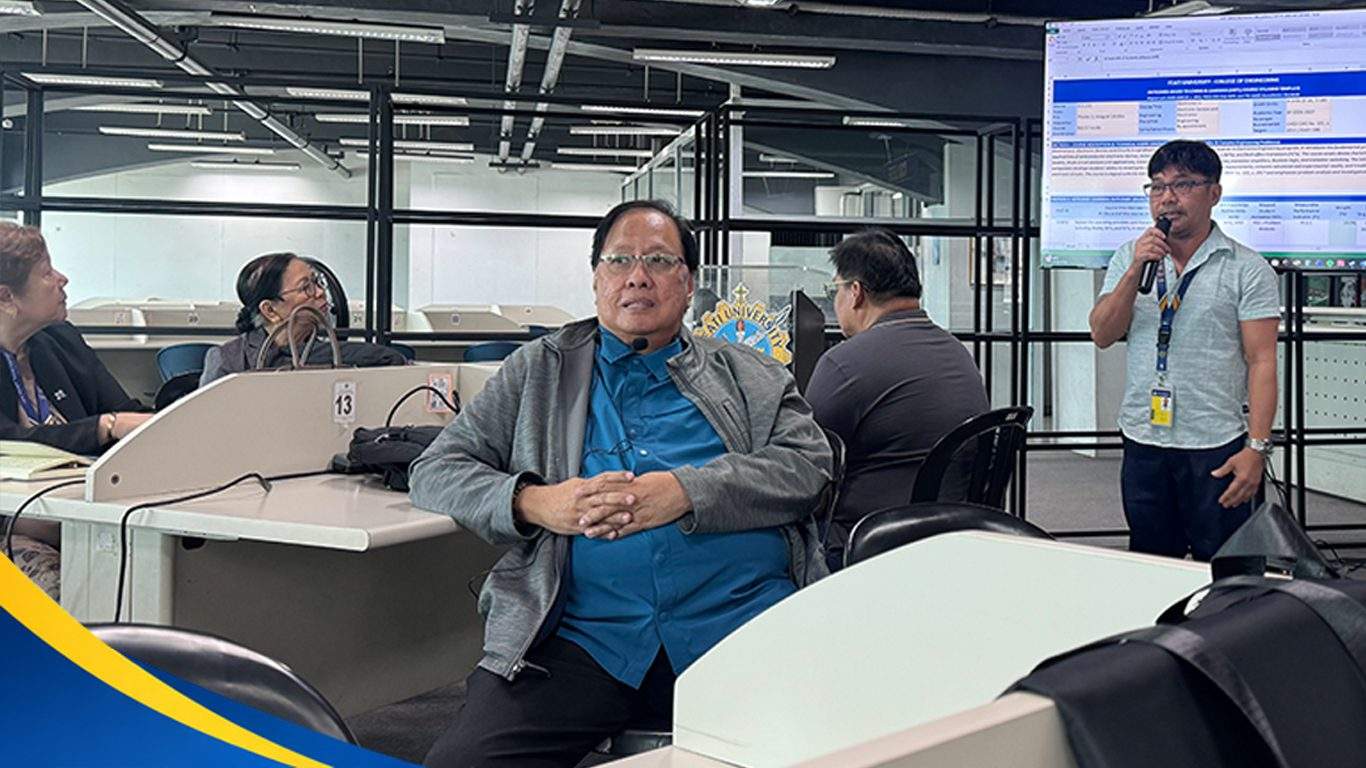
During the workshop, the participants presented their syllabi that had been converted into the required format with the use of the AI app “ChatbotGPT” and the resource persons gave their inputs.
The output of the seminar participants were the converted syllabi using the OBE model presented by the resource persons. The participants were required to upload all completed syllabus to the University website using the University’s Moodle Learning Management System.
×
![]()
See more



×
![]()